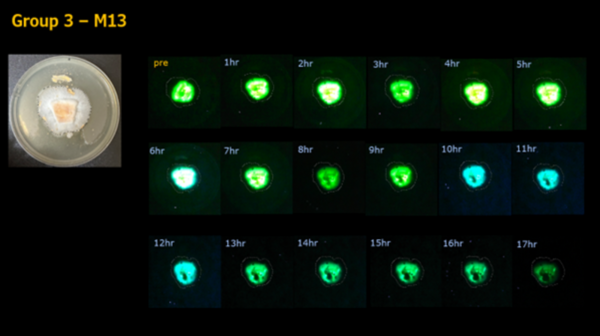
Arsenic contamination in rice, caused by the use of arsenic-laden groundwater for irrigation, is a growing global concern, affecting over 150 million people. To address this, researchers hypothesized that genetically modifying rice plants with arsenic-resistant genes could reduce arsenic uptake and allow the plants to detoxify arsenic, making them safer to consume.
Read More...Browse Articles
Zinc-related Treatments Combined with Chloroquine and Gemcitabine for Treating Pancreatic Cancer
Pancreatic cancer is one of the deadliest cancers, with a 10% 5-year survival rate. The authors studied various dosages of TPEN and zinc in combination with Chloroquine and Gemcitabine as treatments to reduce cell proliferation. Results showed that when combined with Chloroquine and Gemcitabine, zinc and TPEN both significantly lowered cell proliferation compared to Gemcitabine, suggesting a synergistic effect that resulted in a more cytotoxic treatment. Further research and clinical trials on this topic are needed to determine whether this could be a viable treatment for pancreatic cancer.
Read More...A colorimetric investigation of copper(II) solutions
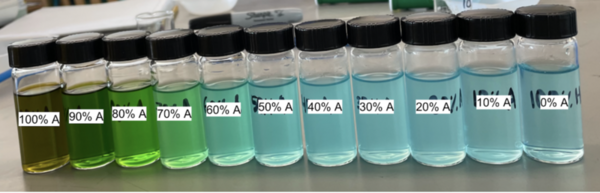
In this study, the authors investigate the effects of acetone on the color of copper chloride (CuCl2) solution, which has important implications for detecting copper in the environment.
Read More...Developing a neural network to model the mechanical properties of 13-8 PH stainless steel alloy
We systematically evaluated the effects of raw material composition, heat treatment, and mechanical properties on 13-8PH stainless steel alloy. The results of the neural network models were in agreement with experimental results and aided in the evaluation of the effects of aging temperature on double shear strength. The data suggests that this model can be used to determine the appropriate 13-8PH alloy aging temperature needed to achieve the desired mechanical properties, eliminating the need for many costly trials and errors through re-heat treatments.
Read More...The Effect of Positive and Negative Reinforcement on Sixth Graders’ Mental Math Performance
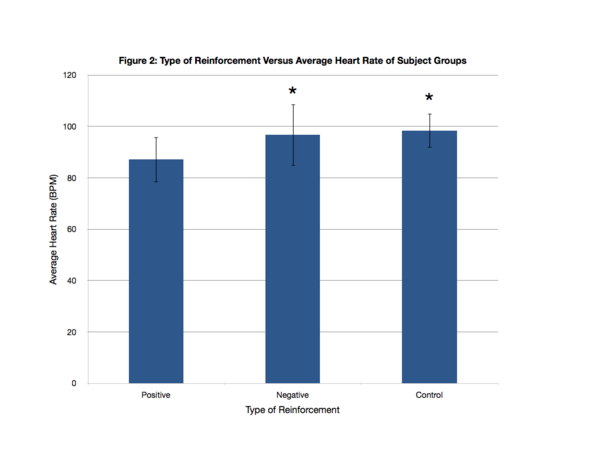
What type of motivation is more effective: reward or punishment? In this study, the authors assess the effects of positive or negative on the math scores of sixth graders.
Read More...The impact of environmental noise on the cognitive functions and mental workload of high school students
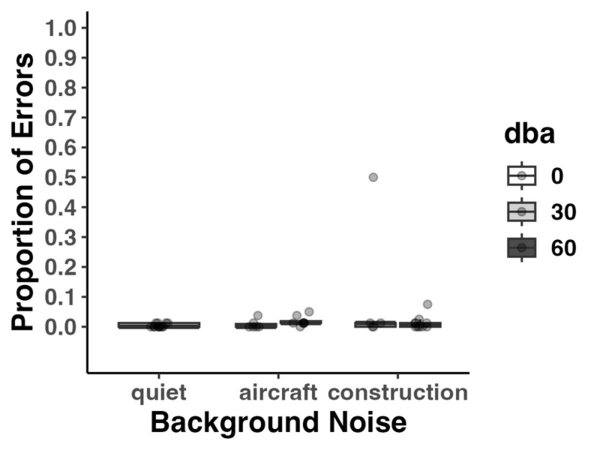
Authors examine the impact of environmental noise on cognitive processes in teenagers, focusing on five different noise conditions: two types of noise (aircraft and construction) at two different decibel levels (30 dBA and 60 dBA) and a quiet condition.
Read More...Early detection of student burnout using data science: a study of behavioral and psychological indicators
This study examined behavioral and psychological predictors of burnout among high school and university students in Pakistan using survey data and machine-learning models. Shorter sleep and greater mental fatigue—especially fatigue—were associated with higher burnout risk, while a Random Forest model successfully identified students at risk of burnout.
Read More...Does Gaming Improve Cognitive Skills?
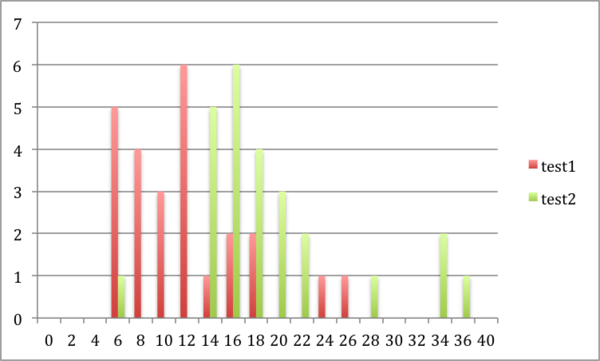
Playing video games may improve mental performance by encouraging practicing logical reasoning skills. Students who played video games in between two tests tended to perform better on the second test than those that did not play video games.
Read More...The sweetened actualities of neural membrane proteins: A computational structural analysis
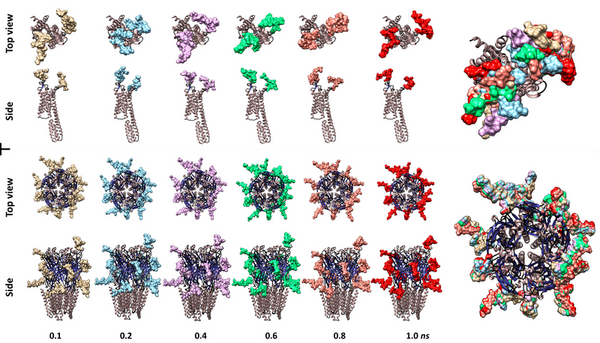
Here, seeking to better understand the roles of glycans in the receptors of active sites of neuronal cells, the authors used molecular dynamics simulations to to uncover the dynamic nature of N-glycans on membrane proteins. The authors suggest the study of theinteractions of these membrane poreins could provide future potential therapeutic targets to treat mental diseases.
Read More...Emotional and Psychological Effect of Music on People
Nolt and Elwonger examine how different types of music impact our emotional and physical states. They found that music can influence a subject's emotional state, with sad music inspiring sadness and exciting music bringing excitement. They were not able to find a clear relationship between heart rate and music type. Music's effect on emotional state can be useful when designing novel therapies for emotional and mental disorders.
Read More...