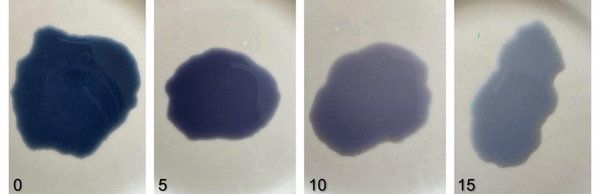
α-amylase breaks down starch into glucose, which can cause blood sugar spikes and increase the risk of type II diabetes. This study tested natural extracts from cassia cinnamon and green tea as alternatives to synthetic inhibitors like acarbose, which can be costly and cause side effects.
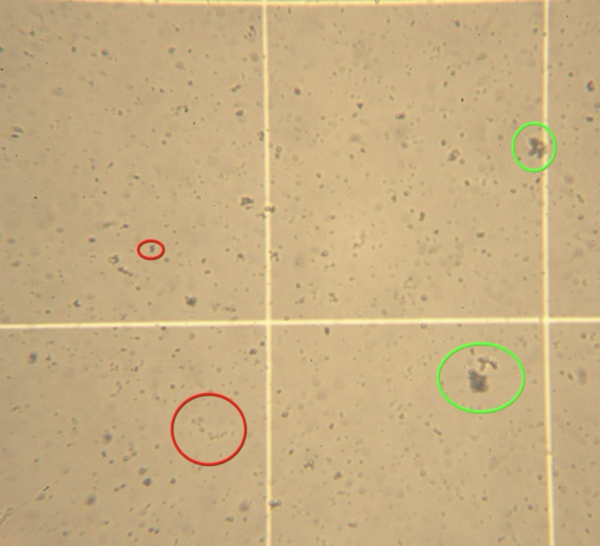
There is a need for safe and effective therapies to prevent platelet aggregation associated with cardiovascular diseases. Prabhakar and Prabhakar test to see whether dietary supplements claiming to reduce cardiovascular disease risk will affect aggregation of human platelets.
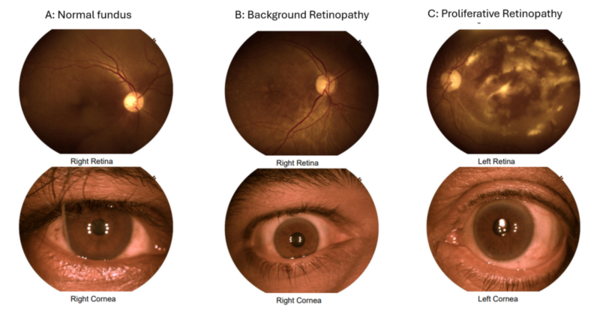
The purpose of our study was to examine the correlation of glycosylated hemoglobin (HbA1c), blood pressure (BP) readings, and lipid levels with retinopathy. Our main hypothesis was that poor glycemic control, as evident by high HbA1c levels, high blood pressure, and abnormal lipid levels, causes an increased risk of retinopathy. We identified the top two features that were most important to the model as age and HbA1c. This indicates that older patients with poor glycemic control are more likely to show presence of retinopathy.
Organic and non-organic contaminants in tap water have been linked to adverse health effects. Tap water is a major source of lead, which is neurotoxic and poses a major health risk, particularly to children and pregnant women. Using publicly available annual water quality reports data for the state of Missouri, the authors show that communities with lower median household income and lower per capita incomes had significantly higher lead levels in their tap water.
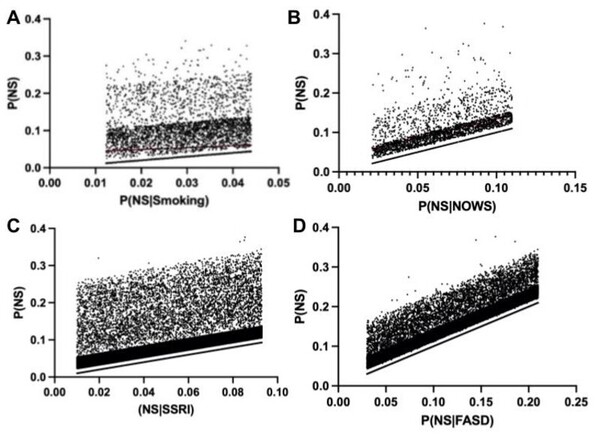
Here the authors investigated the relationship between fitness-related social media and the high usage of performance-enhancing drugs (PEDs) specifically by men in the US age 18-35. In a survey with 149 participants they identified that young men that use fitness-related social media are more likely to use PEDs. Their results suggest the necessity to consider potential risk behaviors which may be related to social media consumption.
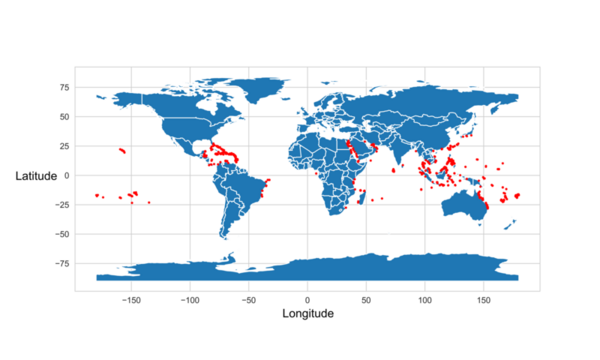
Coral bleaching is a fatal process that reduces coral diversity, leads to habitat loss for marine organisms, and is a symptom of climate change. This process occurs when corals expel their symbiotic dinoflagellates, algae that photosynthesize within coral tissue providing corals with glucose. Restoration efforts have attempted to repair damaged reefs; however, there are over 360,000 square miles of coral reefs worldwide, making it challenging to target conservation efforts. Thus, predicting the likelihood of bleaching in a certain region would make it easier to allocate resources for conservation efforts. We developed a machine learning model to predict global locations at risk for coral bleaching. Data obtained from the Biological and Chemical Oceanography Data Management Office consisted of various coral bleaching events and the parameters under which the bleaching occurred. Sea surface temperature, sea surface temperature anomalies, longitude, latitude, and coral depth below the surface were the features found to be most correlated to coral bleaching. Thirty-nine machine learning models were tested to determine which one most accurately used the parameters of interest to predict the percentage of corals that would be bleached. A random forest regressor model with an R-squared value of 0.25 and a root mean squared error value of 7.91 was determined to be the best model for predicting coral bleaching. In the end, the random model had a 96% accuracy in predicting the percentage of corals that would be bleached. This prediction system can make it easier for researchers and conservationists to identify coral bleaching hotspots and properly allocate resources to prevent or mitigate bleaching events.
Economic disruptions and housing instabilities have for long propelled a homelessness epidemic among adults and youth in the United States. The COVID-19 pandemic has accelerated this phenomenon with a 2.2% increase in the number of homeless individuals and more than 70% of Americans fearing this outcome for themselves. This study aimed to analyze the perception of homelessness in two groups: Those who have previously experienced and overcome homelessness and those who are at-risk for experiencing the same. The study analyzed publicly available Reddit posts by people in both groups and found that at-risk individuals tended to associate primarily fearful emotions with the event, and those who had overcome homelessness tended to view the event in a negative context. These results may encourage the establishment of resources to support the currently homeless and help them transition into society, and services to help them cope with negative emotions, as negative attitudes have been shown to decrease life expectancy.
The traditional alert system in California consists of Wireless Emergency Alerts (WEAs), which lack location specificity, and sign-up-based technology which is limited by the number of sign ups. Those who do not have phones or have a silence option on their devices are most at risk from the current alert system. Here the authors developed cloud-enabled crisis connection for disaster alerts (CRISIS-CONNECT) to mitigate problems associated with the current alert system.
In this article, Mai et al. have developed a do-it-yourself kit for the detection of Strep A bacterial infections. While Strep A infections require antibiotic administration, viral infections, which can present with similar symptoms, often resolve on their own. The problem with delayed antibiotic treatment is an increasing risk of complications. Currently an accurate diagnosis requires that patients make the trip to the hospital where sensitive tests can be performed. The method described here, bundled into a commercially available kit, could help speed up the identification of such bacterial infections. When presented with symptoms of a sore throat and fever, you could just buy the kit at your local pharmacy, perform the simple yet highly accurate and sensitive test, and know whether an urgent trip to the doctor's for an antibiotic prescription is necessary. How convenient!