Browse Articles

The effects of Helianthus Annuus on Amyotrophic Lateral Sclerosis using Drosophila Melanogaster

Srinivasan et al. | Oct 13, 2022

The effects of <em>Helianthus Annuus</em> on Amyotrophic Lateral Sclerosis using <em>Drosophila Melanogaster</em>

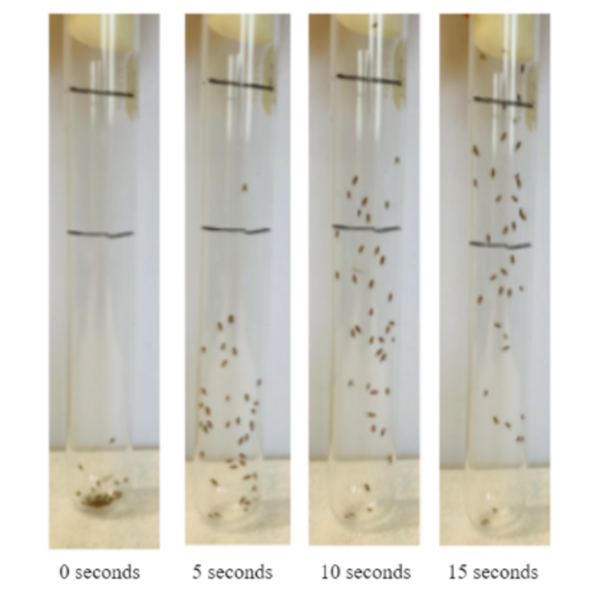
Amyotrophic lateral sclerosis (ALS) affects nearly 200,000 people worldwide and there is currently no cure. The purpose of the study was to determine if Helianthus annuus seeds helped reduce nerve degeneration and increase locomotion using Drosophila melanogaster as the model organism. Through this experiment, we found a general trend suggesting that H. annuus helped increase the mobility of the D. melanogaster suggesting it could be a viable supplement for patients with ALS.

Read More...

The Effect of Common Cations on DNA Degradation

Larina et al. | Nov 06, 2016

The Effect of Common Cations on DNA Degradation

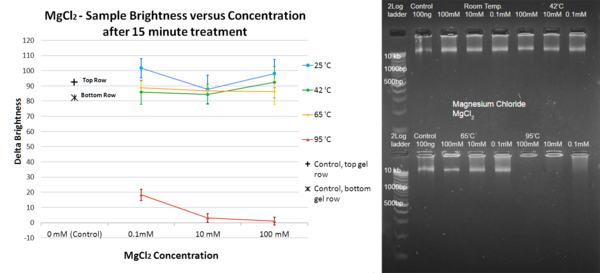
Heating of DNA-containing solutions is a part of many experiment protocols, but it can also cause damage and degradation of the DNA molecules, potentially leading to error in the experimental results. The authors of this paper investigate whether the presence of certain cations during heating can stabilize the DNA polymer and aid the preservation of the molecule.

Read More...

The effects of a high-sucrose diet on the survival of Drosophila melanogaster from a bacterial infection

Warwick et al. | May 22, 2026

The effects of a high-sucrose diet on the survival of <i>Drosophila melanogaster</i> from a bacterial infection

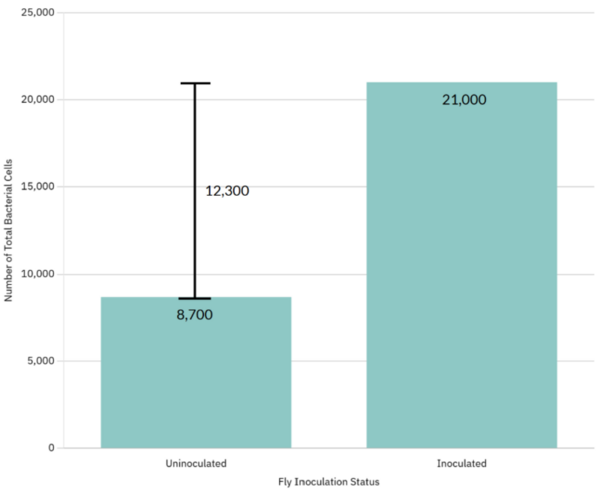
Excess sucrose consumption has been associated with several health problems, including inflammation and potential negative effects on immune function. However, the exact relationship between sucrose intake and immunity remains unclear, especially during bacterial infections. This study examined how sucrose intake affected the survival of fruit flies following oral infection with the bacterial pathogen Serratia marcescens.

Read More...