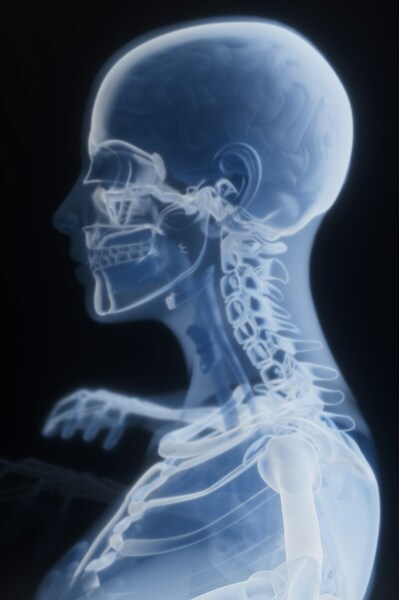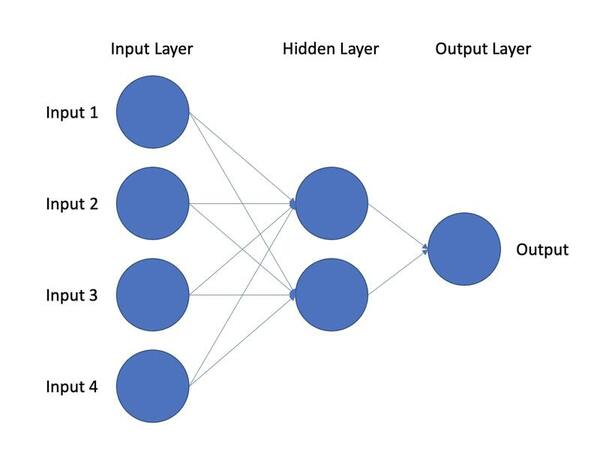
In this study, a deep learning model is used to classify post-traumatic stress disorder patients through novel markers to assist in finding candidate biomarkers for the disorder.
Read More...Post-Traumatic Stress Disorder (PTSD) biomarker identification using a deep learning model
In this study, a deep learning model is used to classify post-traumatic stress disorder patients through novel markers to assist in finding candidate biomarkers for the disorder.
Read More...Linear and non-linear summation of responses to visual and olfactory cues in male Drosophila melanogaster
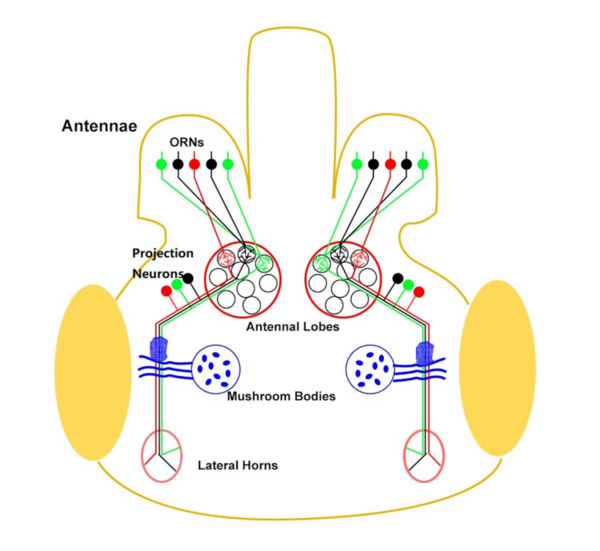
In this study, the authors investigate whether phototaxis and odortaxis in Drosophila melanogaster occurs through linear summation of cues including light and attractive odorants.
Read More...Transfer Learning for Small and Different Datasets: Fine-Tuning A Pre-Trained Model Affects Performance
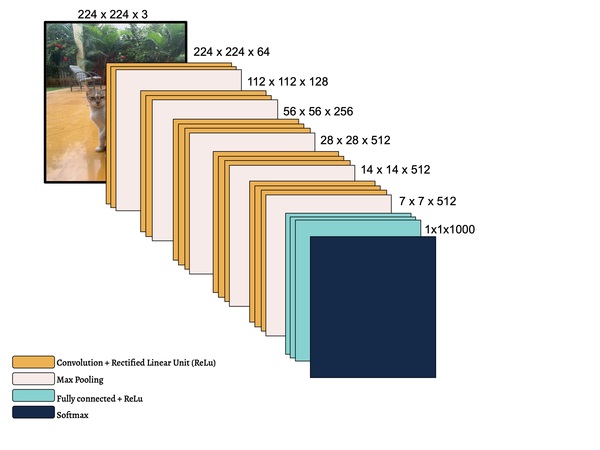
In this study, the authors seek to improve a machine learning algorithm used for image classification: identifying male and female images. In addition to fine-tuning the classification model, they investigate how accuracy is affected by their changes (an important task when developing and updating algorithms). To determine accuracy, a set of images is used to train the model and then a separate set of images is used for validation. They found that the validation accuracy was close to the training accuracy. This study contributes to the expanding areas of machine learning and its applications to image identification.
Read More...Lung region complexity affects Grad-CAM and Deep Taylor outcomes in pneumonia predictions
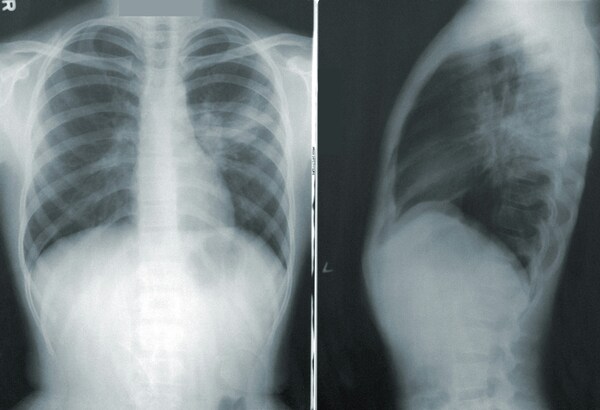
The authors studied the accuracy of two commonly used explainable AI techniques for detecting pneumonia in chest x-rays.
Read More...The decision-making process of an MLB batter: effects of feedback stimuli and anxiety on batting performance
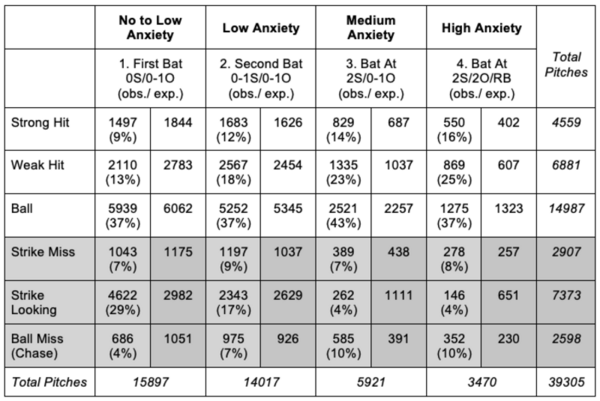
This study examined whether findings from laboratory studies of baseball cognition also apply during real games. Using 2024 MLB data from 30 players, researchers analyzed batting performance under different levels of feedback and anxiety.
Read More...Stress-induced genetic memory inheritance and retention in Planarian biological model
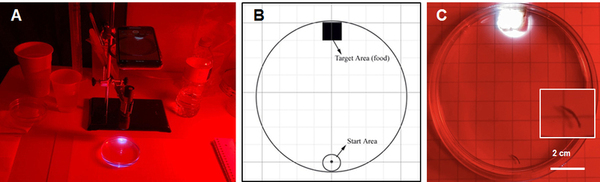
This study explored whether planaria, known for their regenerative abilities, can retain learned memories after regeneration and how stressors like alcohol affect memory.
Read More...Identifying shark species using an AlexNet CNN model
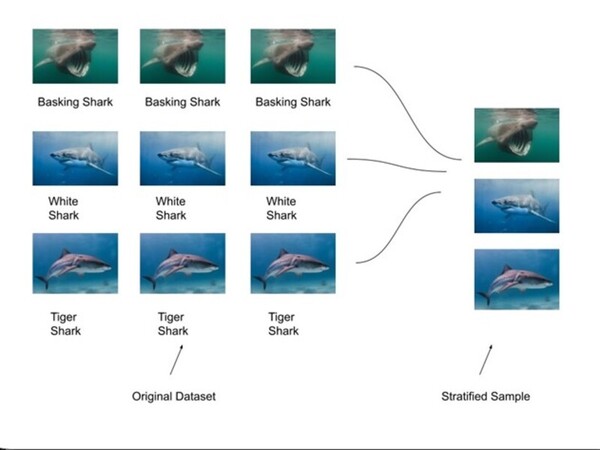
The challenge of accurately identifying shark species is crucial for biodiversity monitoring but is often hindered by time-consuming and labor-intensive manual methods. To address this, SharkNet, a CNN model based on AlexNet, achieved 93% accuracy in classifying shark species using a limited dataset of 1,400 images across 14 species. SharkNet offers a more efficient and reliable solution for marine biologists and conservationists in species identification and environmental monitoring.
Read More...Comparative study on three machine learning models in novel autonomous drone-based detection of invasive plant Brassica nigra
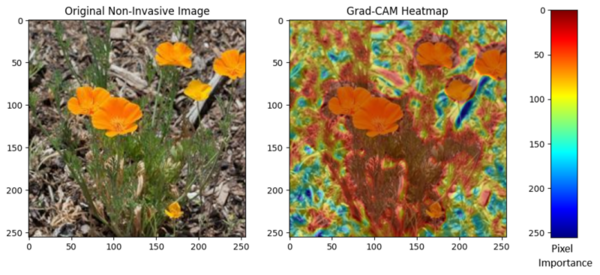
Autonomous drone imaging combined with machine learning offers a promising approach for early detection of invasive species. In this study, students built an autonomous drone and compared three models: CNN, SGDC, and XGBoost, to identify Brassica nigra from aerial footage. Their results show that CNNs most effectively recognize key visual features, demonstrating strong potential for supporting conservation and invasive plant management.
Read More...The effects of image manipulation on classification of cervical spondylosis X-ray images using deep learning
Evaluating the effectiveness of synthetic training data for day-ahead wind speed prediction in the Great Lakes
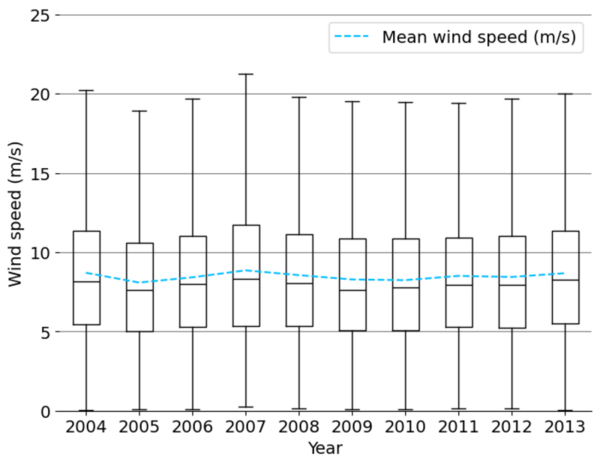
The authors looked at the feasibility to predict wind speeds that will have less reliance on using historical data.
Read More...