Browse Articles

Leaky expression of PRMT1 in Escherichia coli and redox regulation of its histone methyltransferase activity

Kim et al. | Oct 07, 2026

Leaky expression of PRMT1 in <i>Escherichia coli</i> and redox regulation of its histone methyltransferase activity

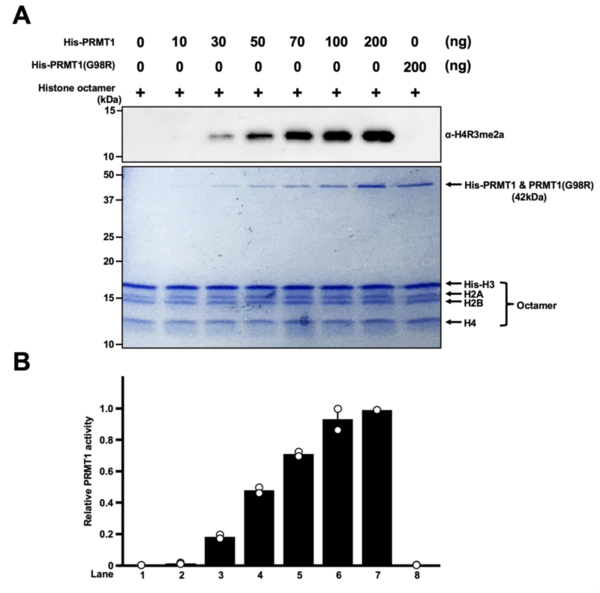
This study characterizes recombinant human Protein arginine methyltransferase 1 (PRMT1) expressed in Escherichia. coli and reveals that the enzyme exhibits leaky expression even without isopropyl β-D-1-thiogalactopyranoside (IPTG) induction. Through in vitro histone methyltransferase assays, we demonstrate that PRMT1 activity toward histone H4R3 is enhanced by dithiothreitol (DTT) in a dose-dependent manner but remains unresponsive to β-mercaptoethanol. These findings highlight the critical role of redox conditions in regulating PRMT1 catalytic function and provide a practical framework for future biochemical and kinetic studies.
Read More...

VISTA inhibitor CA170 combined with KRAS vaccine enhances immune response in lung cancer

Giglio et al. | Mar 16, 2026

VISTA inhibitor CA170 combined with <i>KRAS</i> vaccine enhances immune response in lung cancer
Image credit: Robina Weermeijer

Here the authors investigated a combination therapy to target the Kirsten rat sarcoma viral oncogene homolog mutation in lung cancer, by analyzing publicly available data. Their findings indicate that the combination therapy of CA170 and Kvax enhances helper T cell function and improves cytotoxic T lymphocyte infiltration, while Kvax alone drives plasma and memory B cell proliferation.

Read More...

Investigating Lemna minor and microorganisms for the phytoremediation of nanosilver and microplastics

Iyer et al. | Apr 01, 2024

Investigating <i>Lemna minor</i> and microorganisms for the phytoremediation of nanosilver and microplastics

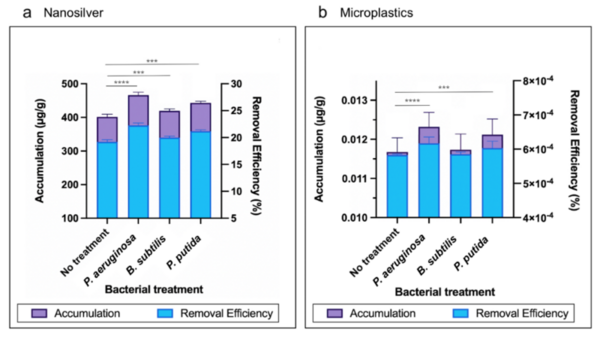
The authors looked at phytoremediation, the process by which plants are used to remove pollutants from our environment, and the ability of Lemna minor to perform phytoremediation in various simulated polluted environments. The authors found that L. minor could remove pollutants from the environment and that the addition of bacteria increased this removal.

Read More...

Floating aquatic plants form groups faster through current

May et al. | Oct 16, 2023

Floating aquatic plants form groups faster through current
Image credit: N Band

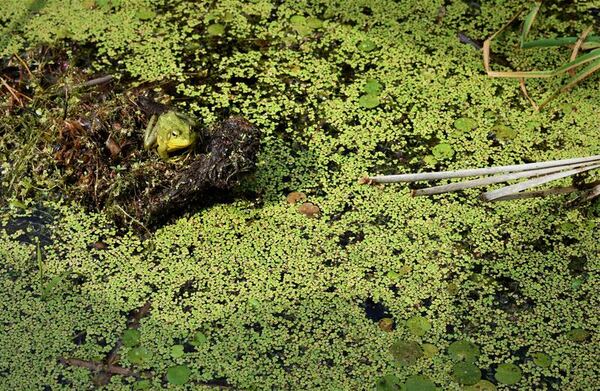
Here, the authors sought to investigate the effects of water current on the growth of colonies of duckweed, a floating plant that forms colonies in silent ponds, marshes, lakes , and streams in North America. They found that current flow mediates the formation of colonies, disrupting and recreating the colonies which provides the opportunity for reorganizations that were identified as beneficial.

Read More...