Browse Articles

Examining the correlation between Massa Medicata Fermentata and Crohn’s disease: Implications for treatment and patient safety

Wang et al. | Sep 15, 2025

Examining the correlation between Massa Medicata Fermentata and Crohn’s disease: Implications for treatment and patient safety

Crohn’s disease is a chronic inflammatory bowel condition with symptoms like abdominal pain, fatigue, diarrhea, and malnutrition. Though there's no cure, various treatments help manage it. This study explored the potential impact of Massa Medicata Fermentata (MMF), a fermented Chinese herbal medicine containing Saccharomyces cerevisiae, on Crohn’s disease.

Read More...

Dietary calcium intake and lead body burden in U.S. adolescents

Lin et al. | Oct 16, 2026

Dietary calcium intake and lead body burden in U.S. adolescents

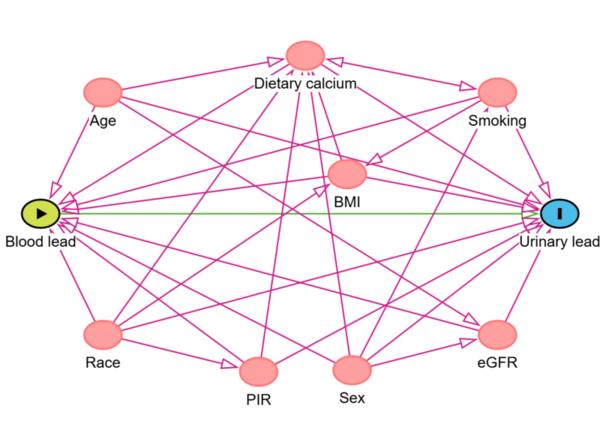
We investigated whether dietary calcium intake affects how adolescents handle lead internally. Using paired blood and urinary lead data, we assessed whether calcium status is associated with differences in lead clearance. The results point to subgroups of adolescents—particularly those with lower calcium intake—who may carry a higher internal lead burden than their blood levels alone would suggest.

Read More...

Optical anisotropy of crystallized vanillin thin film: the science behind the art

Wang et al. | Jul 09, 2024

Optical anisotropy of crystallized vanillin thin film: the science behind the art
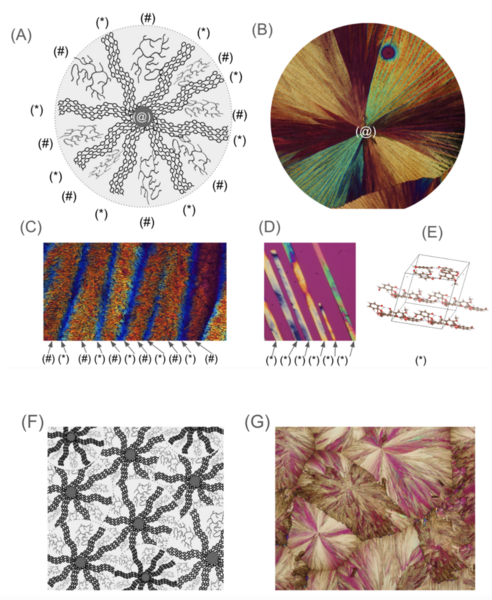
Image credit: The authors

Microscopic beauty is hiding in common kitchen ingredients - even vanillin flavoring can be turned into mesmerizing artwork by crystallizing the vanillin and examining it under a polarizing microscope. Wang and Pang explore this hidden beauty by determining the optimal conditions to grow crystalline vanillin films and by creating computer simulations of chemical interactions between vanillin molecules.

Read More...

The effect of Omega-3 on bovine blood cells as a potential remedy for Cerebral Cavernous Malformations

Pulluru et al. | Sep 22, 2023

The effect of Omega-3 on bovine blood cells as a potential remedy for Cerebral Cavernous Malformations
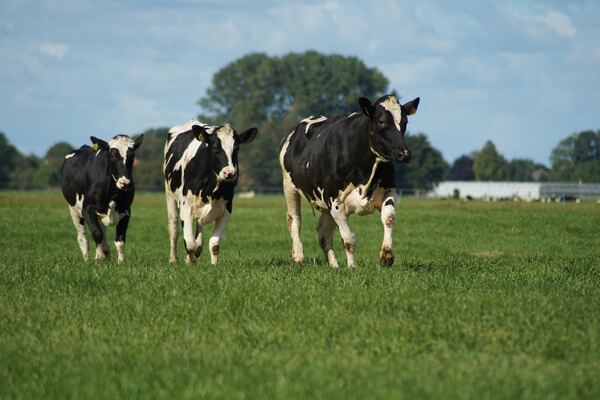
Image credit: Carolien van Oijen

Here, the authors investigated if dietary Omega-3 fatty acids could reduce the potential for cerebral cavernous malformations, which are brain lesions that occur due to a genetic mutation where high membrane permeability occurs between endothelial cell junctions. In a bovine-based study where some cows were fed an Omega-3 diet, the authors found the membranes of bovine blood cells increased in thickness with Omega-3 supplementation. As a result, they suggest that dietary Omega-3 could be considered as a possible preventative measure for cerebral cavernous malformations.

Read More...

An improved video fingerprinting attack on users of the Tor network

Srikanth et al. | Mar 31, 2022

An improved video fingerprinting attack on users of the Tor network

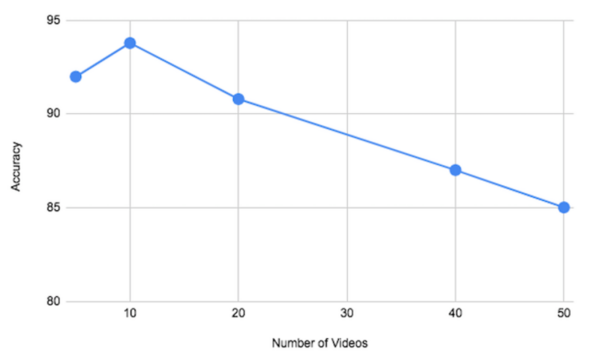
The Tor network allows individuals to secure their online identities by encrypting their traffic, however it is vulnerable to fingerprinting attacks that threaten users' online privacy. In this paper, the authors develop a new video fingerprinting model to explore how well video streaming can be fingerprinted in Tor. They found that their model could distinguish which one of 50 videos a user was hypothetically watching on the Tor network with 85% accuracy, demonstrating that video fingerprinting is a serious threat to the privacy of Tor users.

Read More...

The Effects of Antibiotics on Nutrient Digestion

Murea et al. | Oct 06, 2017

The Effects of Antibiotics on Nutrient Digestion

One disadvantage of antibiotic therapy is the potential for unpleasant gastrointestinal side effects. Here, the authors test whether some common antibiotics directly interfere with the digestion of protein, fat, or sugars. This study provides motivation to more carefully investigate the interactions between antibiotics and gut enzymes in order to inform treatment decisions and improve patient outcomes.

Read More...

The effect of pH levels on the growth rate of diatoms

Shao et al. | Oct 14, 2026

The effect of pH levels on the growth rate of diatoms
Image credit: Cristian Palmer

Here the authors investigated how climate change-induced ocean acidification may impact harmful micro algae such as diatoms that produce large amounts of oxygen in the atmosphere and serve as important food sources for other marine organisms. They evaluated diatom growth rates at current seawater pH levels (8.1) alongside reduced pH levels (7.5 and 6.8). The findings indicate that while diatoms maintain steady growth under moderate acidification (pH 7.5), severe acidification down to pH 6.8 significantly limits their ability to adapt and thrive.

Read More...