Browse Articles

Development of a novel machine learning platform to identify structural trends among NNRTI HIV-1 reverse transcriptase inhibitors

Ashok et al. | Jun 24, 2022

Development of a novel machine learning platform to identify structural trends among NNRTI HIV-1 reverse transcriptase inhibitors

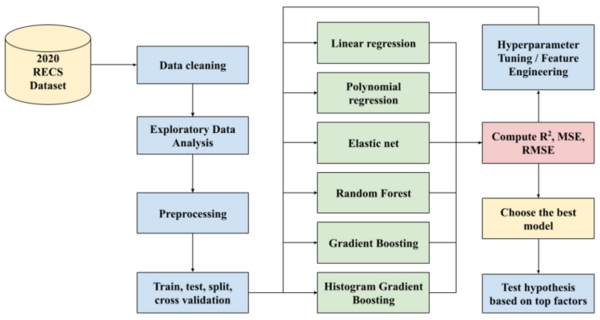
With advancements in machine learning a large data scale, high throughput virtual screening has become a more attractive method for screening drug candidates. This study compared the accuracy of molecular descriptors from two cheminformatics Mordred and PaDEL, software libraries, in characterizing the chemo-structural composition of 53 compounds from the non-nucleoside reverse transcriptase inhibitors (NNRTI) class. The classification model built with the filtered set of descriptors from Mordred was superior to the model using PaDEL descriptors. This approach can accelerate the identification of hit compounds and improve the efficiency of the drug discovery pipeline.

Read More...


Comparison of shower filters for reducing total residual chlorine under household flow conditions

Lee et al. | Sep 19, 2026

Comparison of shower filters for reducing total residual chlorine under household flow conditions
Image credit: Micheile Henderson

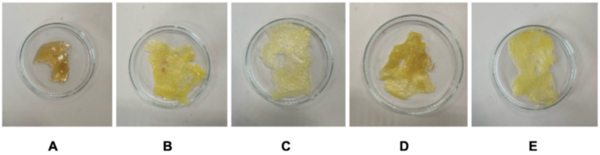
This study compared two commercial shower filters and three individual filtration media to evaluate their ability to reduce total residual chlorine under household flow conditions. By identifying which materials most effectively reduce chlorine during regular shower use, this research provides practical information for consumers and offers guidance for designing more affordable and reusable shower filtration systems.

Read More...

Examining the impact of consecutive losses on gambling: When do we decide to quit?

Kim et al. | Apr 28, 2026

Examining the impact of consecutive losses on gambling: When do we decide to quit?
Image credit: Kim, Cragun, and Kim

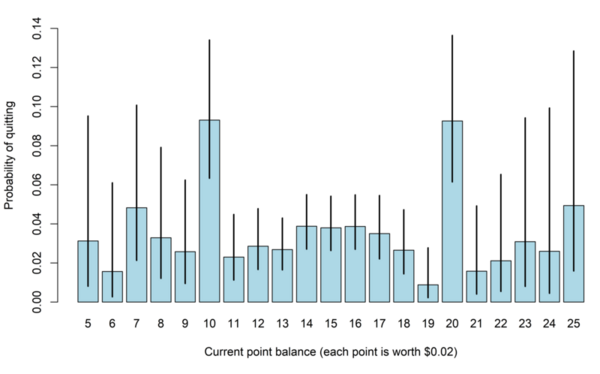
This article explored the question of when do people decide to stop gambling and further tries to extrapolate why people stop gambling at that point. Their study showed that people tend to quit gambling after 4 consecutive losses, significantly more than 1-3 consecutive losses or a win previous to quitting. They also found that participants commonly quit at a point value approximately 5 points greater than or less than their starting balance. The authors concluded that these results may be important in understanding how to cut down on excessive gambling or in creating policies that make it easier for people to disengage from gambling.

Read More...