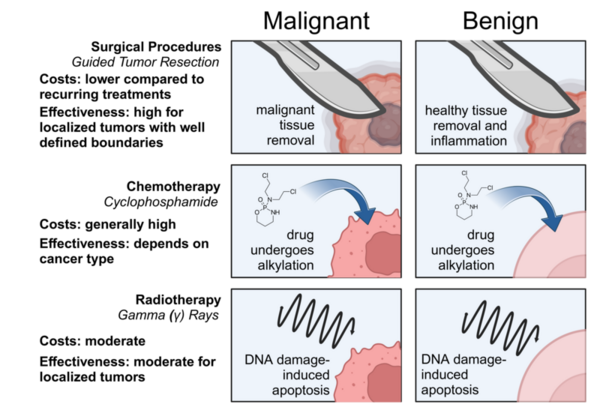
This paper investigates the potential anticancer properties of Uvularia perfoliata by testing its effects on the viability of uveal melanoma cells.
Read More...Investigating the anticancer effects of Uvularia perfoliata
This paper investigates the potential anticancer properties of Uvularia perfoliata by testing its effects on the viability of uveal melanoma cells.
Read More...A Novel Alzheimer's Disease Therapeutic Model: Attenuating Hyperphosphorylated Tau and Amyloid β (Aβ) Aggregates by Characterizing Antioxidative, Anti-Inflammatory, and Neuroprotective Properties of Natural Extracts
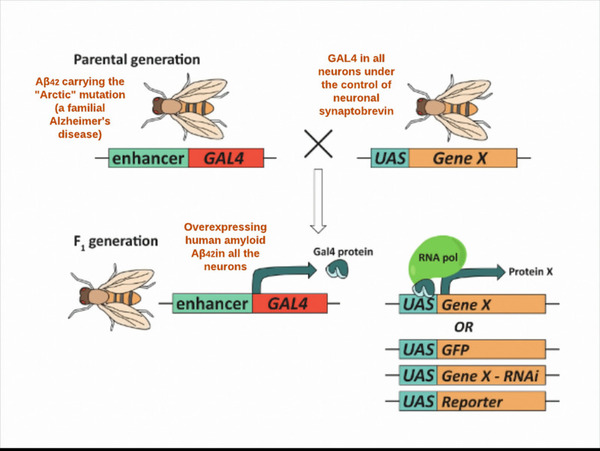
Oxidative damage and neuro-inflammation were the key pathways implicated in the pathogenesis of Alzheimer’s disease. In this study, 30 natural extracts from plant roots and leaves with extensive anti-inflammatory and anti-oxidative properties were consumed by Drosophila melanogaster. Several assays were performed to evaluate the efficacy of these combinational extracts on delaying the progression of Alzheimer’s disease. The experimental group showed increased motor activity, improved associative memory, and decreased lifespan decline relative to the control group.
Read More...Zinc-related Treatments Combined with Chloroquine and Gemcitabine for Treating Pancreatic Cancer

Pancreatic cancer is one of the deadliest cancers, with a 10% 5-year survival rate. The authors studied various dosages of TPEN and zinc in combination with Chloroquine and Gemcitabine as treatments to reduce cell proliferation. Results showed that when combined with Chloroquine and Gemcitabine, zinc and TPEN both significantly lowered cell proliferation compared to Gemcitabine, suggesting a synergistic effect that resulted in a more cytotoxic treatment. Further research and clinical trials on this topic are needed to determine whether this could be a viable treatment for pancreatic cancer.
Read More...Associations between fentanyl usage and social media use among U.S. teens

Here the authors aimed to understand factors influencing adolescent fentanyl exposure, hypothesizing a positive association between social media usage, socioeconomic factors, and fentanyl abuse among U.S. teens. Their analysis of the Monitoring the Future dataset revealed that a history of suspension and use of marijuana or alcohol were linked to higher fentanyl use, and while not statistically significant, a notable positive correlation between social media use and fentanyl frequency was observed.
Read More...Investigating the potential of zinc oxide nanoparticles and zinc ions as promising approaches to lung cancer
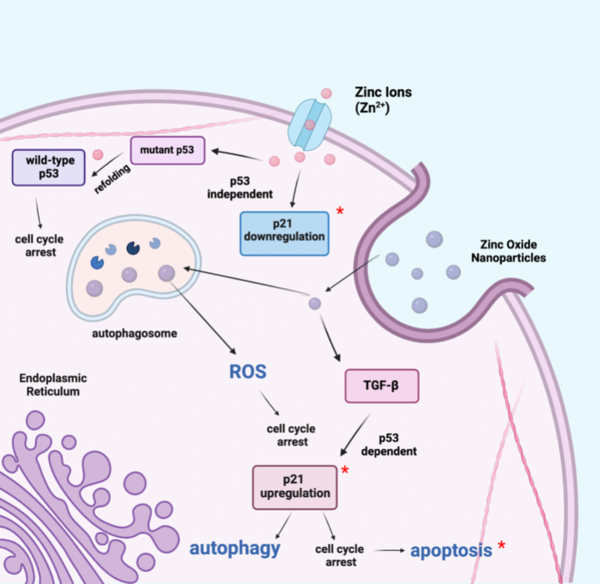
Here, the authors chose to investigate the efficacy of zinc oxide nanoparticles (ZnO NPs) and cisplatin or zinc ions in inducing cancer apoptosis. While both treatments were found to reduce the proliferation of lung cancer cells, the authors suggest that further studies to identify the mechanism are necessary.
Read More...Immunogenicity of Minhai 13-valent pneumococcal polysaccharide conjugate vaccine in experimental mice
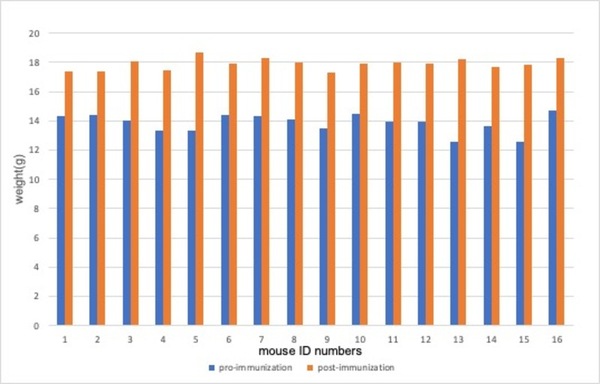
The authors looked at the immunogenicity of a newly developed pneumococcal conjugate vaccine compared to a previously developed one. They found the newly developed vaccine did elicit an immune response.
Read More...Mechanism and cytotoxicity of A1874 proteolysis targeting chimera on CT26 colon carcinoma cell line
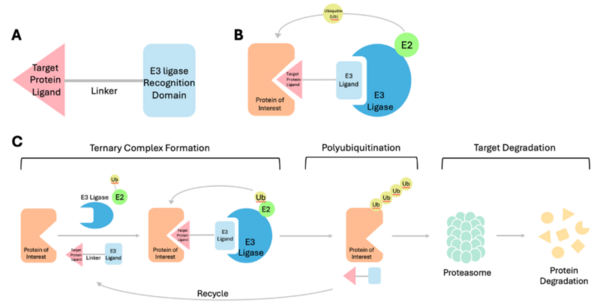
This study investigates the effects of the PROTAC compound A1874 on CT26 colon carcinoma cells, focusing on its ability to degrade the protein BRD4 and reduce cell viability. While A1874 had previously shown effectiveness in other colon cancer cell lines, its impact on CT26 cells was unknown.
Read More...Identifying factors, such as low sleep quality, that predict suicidal thoughts using machine learning

Sadly, around 800,000 people die by suicide worldwide each year. Dong and Pearce analyze health survey data to identify associations between suicidal ideation and relevant variables, such as sleep quality, hopelessness, and anxious behavior.
Read More...Pediatric probiotic culture survival study in acidic pH using an in vitro model
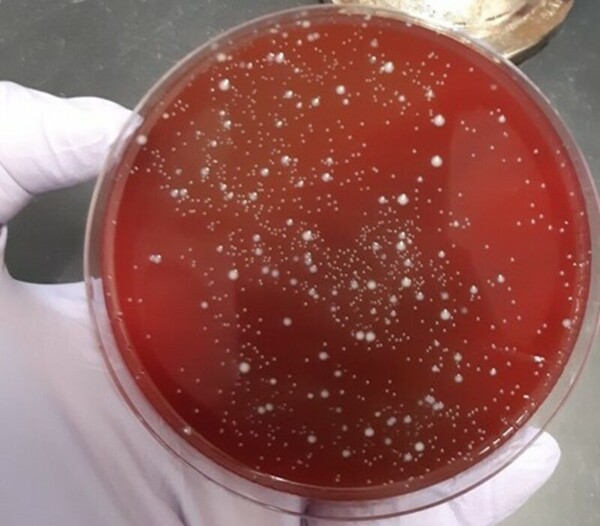
In this study, the authors investigate the effects of acidity on the survival of commercial probiotic Lovebug bacterial strains.
Read More...Anticancer, anti-inflammatory, and apoptotic activities of MAT20, a poly-herbal formulation.
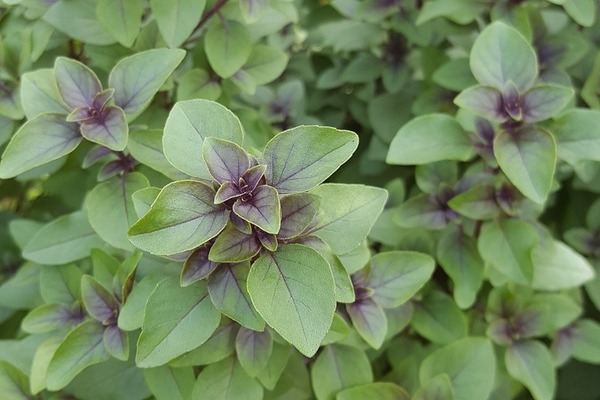
Kashyap Jha et al. look at the formulation of MAT20, a crude extract of the moringa, amla, and tulsi leaves, as a potential complementary and alternative medicine. Using HeLa cells, they find MAT20 up-regulates expression of inflammation and cell cytotoxicity markers. Their data is important for understanding the anti-cancer and anti-inflammatory properties of MAT20.
Read More...