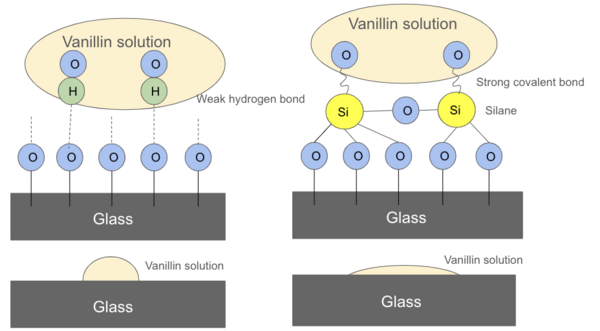
In this study, the authors investigate the crystallization kinetics of vanillin thin films from a solution or a melt, as well as how a silane coating on the glass surface affects these properties.
Read More...Crystallization kinetics of vanillin thin films
In this study, the authors investigate the crystallization kinetics of vanillin thin films from a solution or a melt, as well as how a silane coating on the glass surface affects these properties.
Read More...Impact of NaCl concentration in crystalline nanocellulose for printed ionic dielectrics
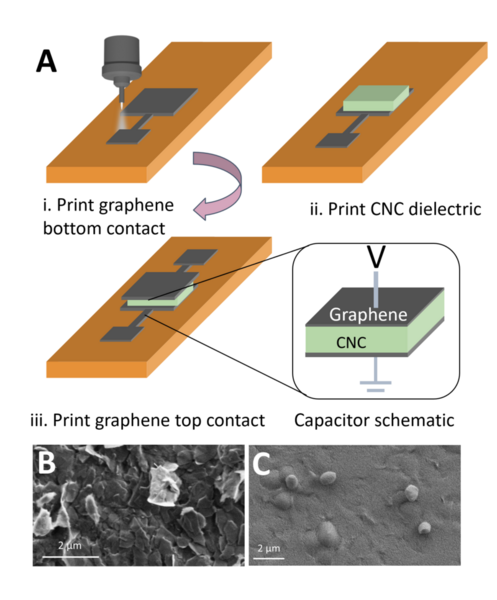
The authors looked at how the addition of NaCl to crystalline nanocellulose capacitors could improve performance in transistor applications. They found that NaCl can improve performance, but that further work is needed to determine the optimal concentration used depending on the intended application.
Read More...Distribution of prophages in the Streptococcus bacteria genus and their role in increasing host pathogenicity
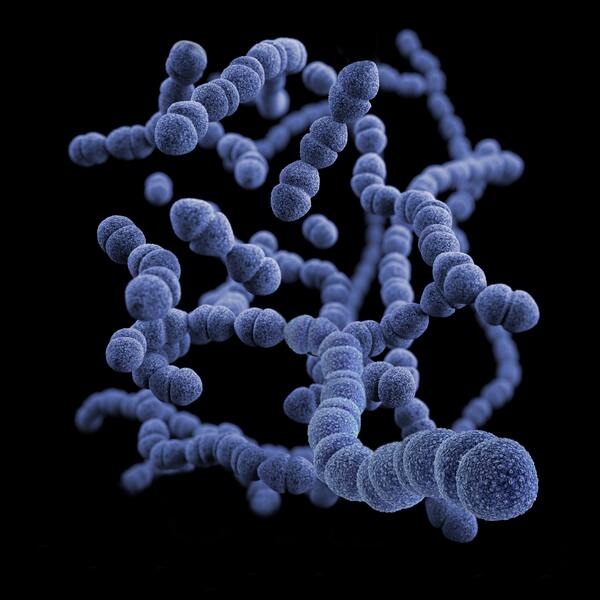
The authors investigated prophages present in Streptococcus bacteria that may increase their survival in different environments.
Read More...Design and in silico screening of analogs of rilpivirine as novel non-nucleoside reverse transcriptase inhibitors (NNRTIs) for antiretroviral therapy
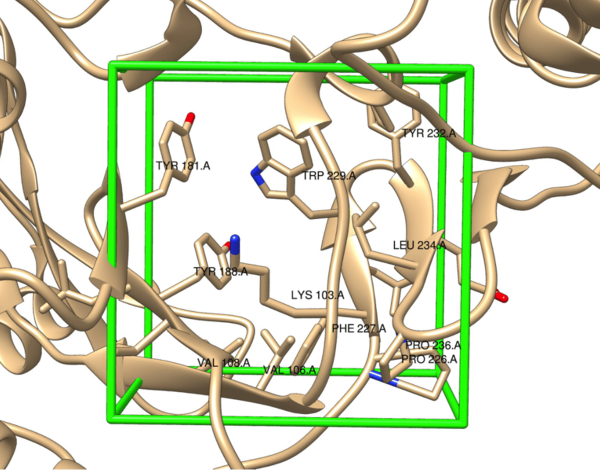
In this study, the authors use high-throughput virtual screening to design and evaluate a set of non-nucleoside reverse transcriptase inhibitors for binding affinity to the protein reverse transcriptase. These studies have important applications toward HIV therapies.
Read More...The Effect of Common Cations on DNA Degradation
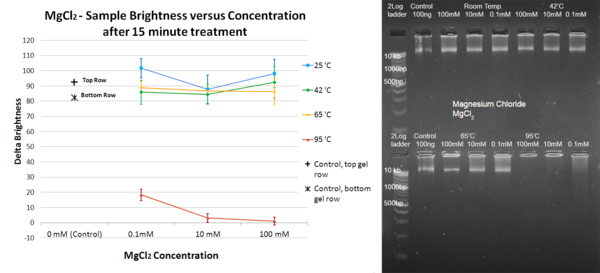
Heating of DNA-containing solutions is a part of many experiment protocols, but it can also cause damage and degradation of the DNA molecules, potentially leading to error in the experimental results. The authors of this paper investigate whether the presence of certain cations during heating can stabilize the DNA polymer and aid the preservation of the molecule.
Read More...Stereolithography 3D-printed stents with silica and zirconia nanoparticle reinforcement for intracranial aneurysm treatment
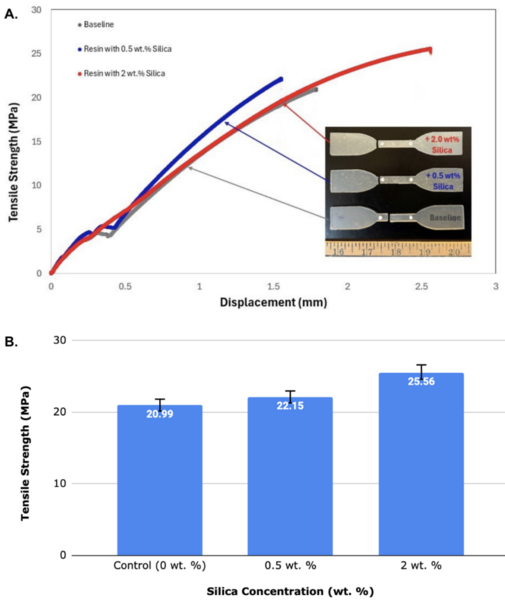
This manuscript focuses on improving the mechanical strength and radiopacity of SLA 3D-printed stent materials by incorporating nanoparticles for their application in flow-diverting stents (FDSs) used to treat aneurysms. The authors used biocompatible, bioresorbable resin formulations with varying concentrations of silica and zirconium to enhance tensile strength and radiopacity, respectively. The authors employed SEM to confirm the incorporation of nanoparticles, and CT imaging was used to assess the effect of zirconium-infused FDSs.
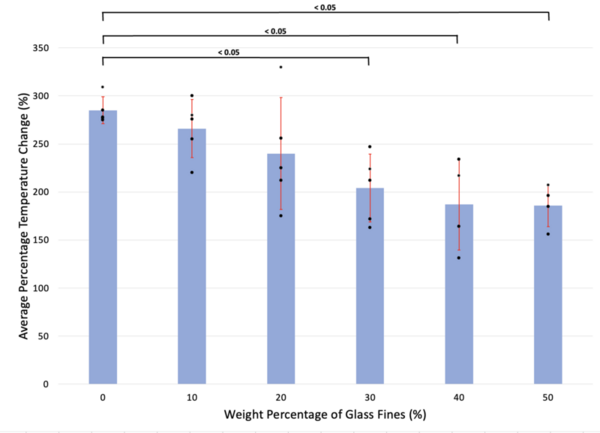
Read More...The effectiveness of glass fines on the fire resistance of mycelium-based biocomposites
Heterotrophic culture of Spirulina platensis improved its growth and the study of its nutritional effect
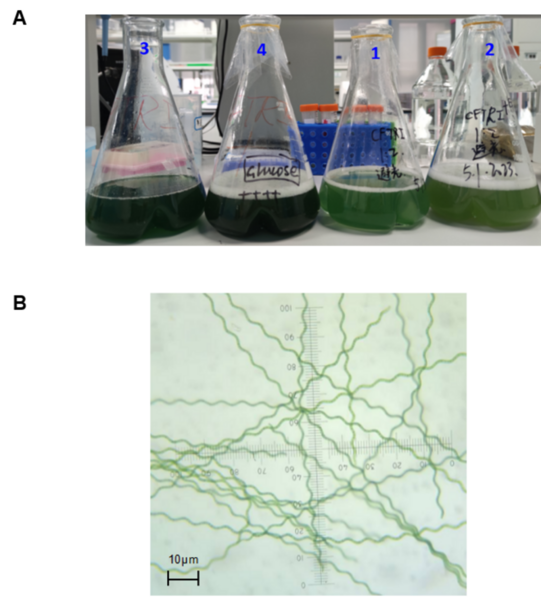
The authors looked at the ability to grow S. platensis on a larger scale with reduced cost given that it is currently quite expensive to grow, but poses as an important food source in the future.
Read More...Developing a wearable, skin-based triboelectric nanogenerator
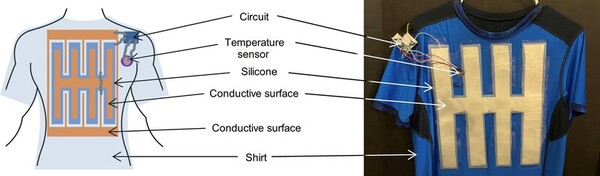
The authors designed a system that runs off of body heat to track body temperature that could help prevent injuries that result from elevated body temperature.
Read More...Preliminary investigation of Allosauroidea facial integument and the evolution of theropod facial armor
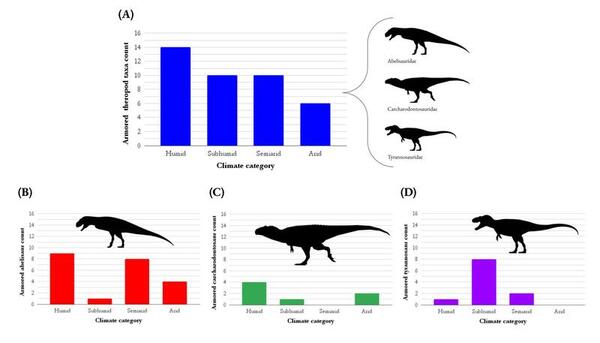
The facial integument, or external skin tissues, were assessed on set of dinosaurs from the Allosauroidea clade to test whether dermal patterns served specific functions.
Read More...