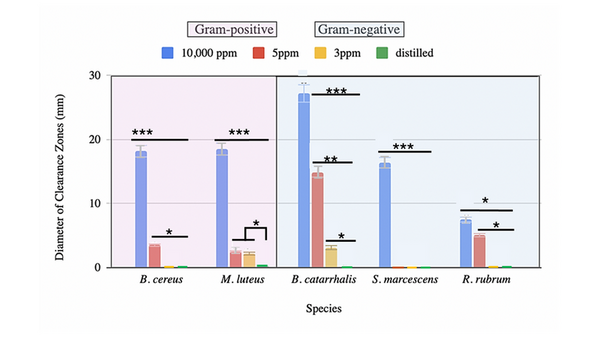
Pathogenic bacteria cause major economic losses in agriculture, and widespread antibiotic use has led to increasing resistance. This study tested whether a low-cost DIY method could produce antibacterial colloidal silver effective against both Gram-negative and Gram-positive plant pathogens.
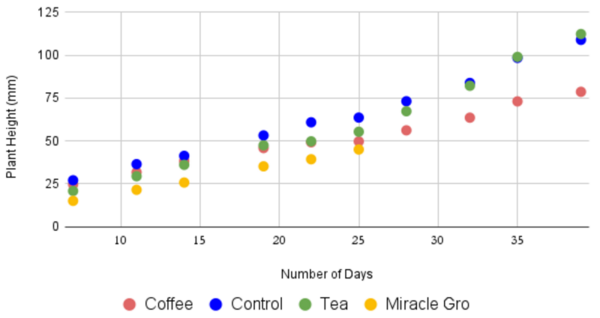
The authors looked at fertilizer derived from coffee ground tea leaves, measuring the effectiveness by measuring the height, weight, and number of leaves on basil plants.
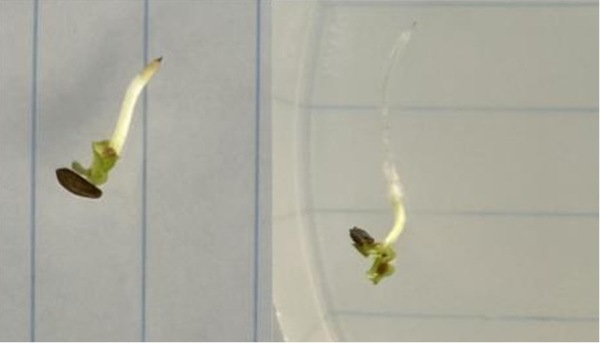
Microplastic pollution is a pressing environmental issue, particularly in the context of its potential impacts on ecosystems and human health. In this study, we explored the ability of plants, specifically those cultivated for human consumption, to absorb microplastics from their growing medium. We found no evidence of microplastic absorption in both intact and mechanically damaged roots. This outcome suggests that microplastics larger than 10 μm may not be readily absorbed by the root systems of leafy crops such as lettuce (L. sativa).
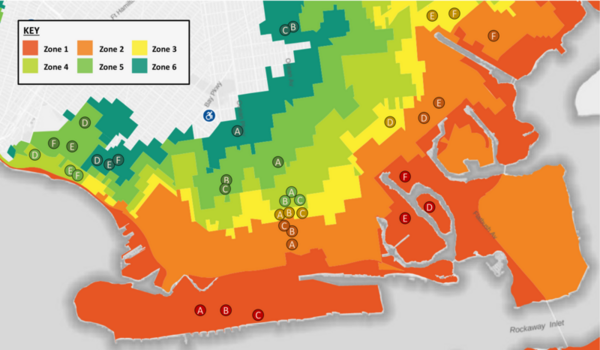
With climate change and rising sea levels, south Brooklyn is exposed to massive flooding and intense precipitation. Previous research discovered that flooding shifts plant species distribution, decreases soil pH, and increases salt concentration, nitrogen, phosphorus, and potassium levels. The authors predicted a decreasing trend from Zone 1 to 6: high-pH, high-salt, and high-nutrients in more flood-prone areas to low-pH, low-salt, and low-nutrient in less flood-prone regions. They performed DNA barcoding to identify plant species inhabiting flood zones with expectations of decreasing salt tolerance and moisture uptake by plants' soil from Zones 1-6. Furthermore, they predicted an increase in invasive species, ultimately resulting in a decrease in biodiversity. After barcoding, they researched existing information regarding invasiveness, ideal soil, pH tolerance, and salt tolerance. They performed soil analyses to identify pH, nitrogen (N), phosphorus (P), and potassium (K) levels. For N and P levels, we discovered a general decreasing trend from Zone 1 to 6 with low and moderate statistical significance respectively. Previous studies found that soil moisture can increase N and P uptake, helping plants adopt efficient resource-use strategies and reduce water stress from flooding. Although characteristics of plants were distributed throughout all zones, demonstrating overall diversity, the soil analyses hinted at the possibility of a rising trend of plants adapting to the increase in flooding. Future expansive research is needed to comprehensively map these trends. Ultimately, investigating trends between flood zones and the prevalence of different species will assist in guiding solutions to weathering climate change and protecting biodiversity in Brooklyn.
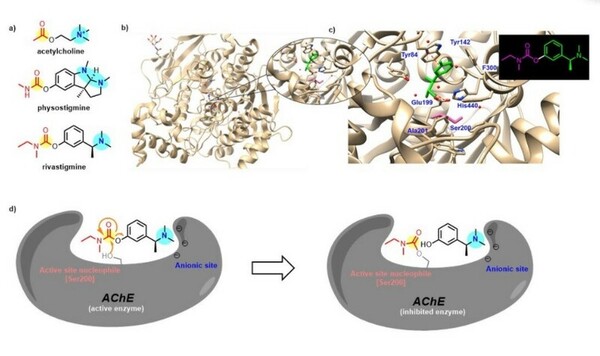
Naturally occurring neuroactive alkaloids are often studied for their potential to treat Neurological diseases. This team of students study Rivastigmine, a potent cholinesterase inhibitor that is a synthetic analog of physostigmine, which comes from the Calabar bean plant Physostigma venenosum. By comparing the effects of optimized synthetic analogs to the naturally occurring alkaloid, they determine the most favorable analog for inhibition of acetylcholinesterase (AChE), the enzyme that breaks down the neurotransmitter acetylcholine (ACh) to terminate neuronal transmission and signaling between synapses.
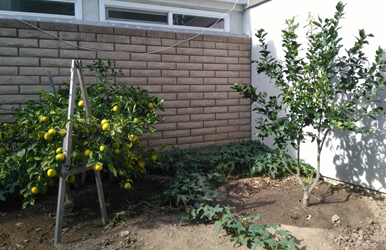
Here, the authors aimed to apply home soil testing to identify the cause of the growth differences between two lemon trees. They hypothesized that differences in physical and chemical soil characteristics were influencing differences in soil productivity and plant growth. Overall, the study demonstrated the effectiveness of home soil testing to characterize soils and help homeowners solve common gardening problems.
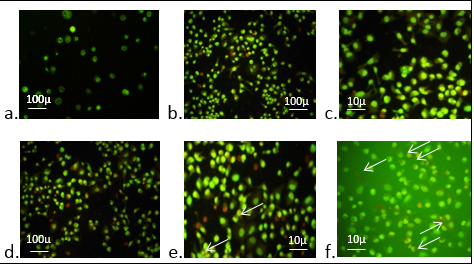
In this study, the authors investigate whether a new compound has anti-cancer properties. Using the crude extract from the Amaranthus spinosus plant, HeLa cancer cells were assessed for cell death. Findings reveal that the extract (AS20) has cytotoxic effects on HeLa cells. Their findings introduce a new compound to potentially pursue in the hunt for novel cancer treatments.
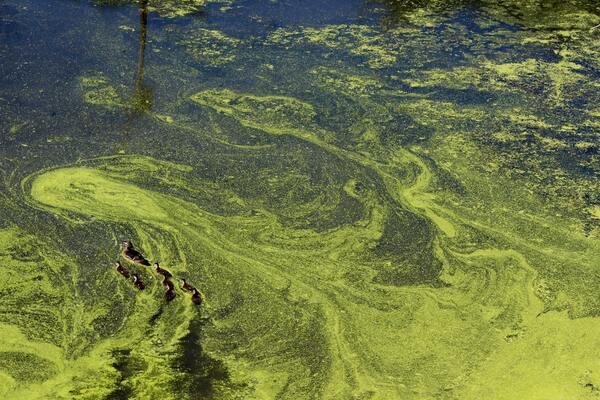
Algal overgrowth often threatens to clog irrigation pipes and drinking water lines when left unchecked, as well as releasing possible toxins that threaten plant and human health. It is thus important to find natural, non-harmful agents that can decrease algal growth without threatening the health of plants and humans. In this paper, the authors test the efficacy of barely extract in either liquid or pellet form in decreasing algal growth. While their results were inconclusive, the experimental set-up allows them to investigate a wider range of agents as anti-algal treatments that could potentially be adopted on a wider scale.
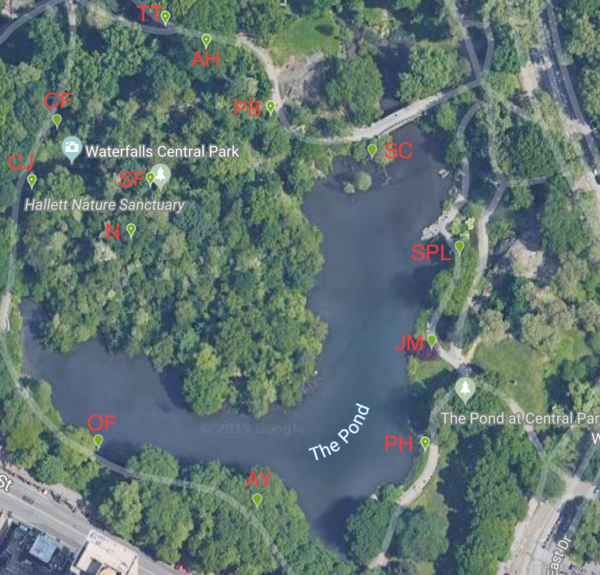
This study aimed to determine whether the life cycle stages, or phenophases, of some plants in the urban environment of Central Park, New York, differ from the typical phenophases of the same plant species. The authors hypothesized that the phenophases of the thirteen plants we studied would differ from their typical phenophases due to the urban heat island effect. Although the phenophases of five plants matched up with typical trends, there were distinct changes in the phenophases of the other eight, possibly resulting from the urban heat island effect.
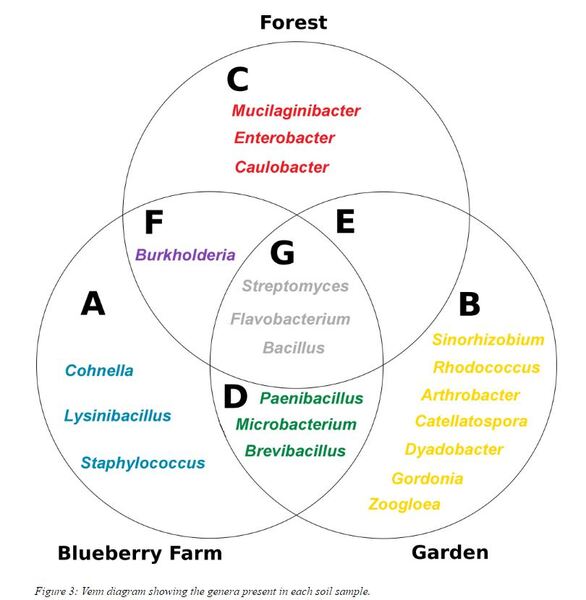
Advancement in DNA sequencing technology has greatly increased our understanding about the role of bacteria in soil. The authors of this study examine the microbial content of soil samples taken from three locations in southern New Hampshire with varying pH and plant composition.