
This article describes the classification of medical text data using vector databases and text embedding. Various large language models were used to generate this medical data for the classification task.
Read More...Using text embedding models as text classifiers with medical data
This article describes the classification of medical text data using vector databases and text embedding. Various large language models were used to generate this medical data for the classification task.
Read More...Performance comparison of indoor polyculture utilizing hydroponic and soil-based systems
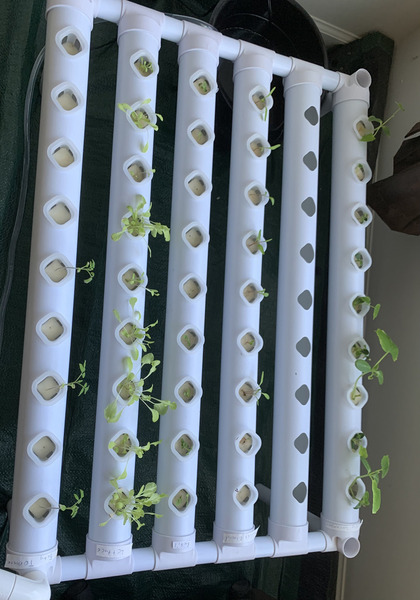
Hydroponics is often promoted as a highly efficient alternative to traditional soil farming, but its effectiveness in small indoor polyculture systems is not well understood. In this study, students compared plant growth and maturity across hydroponic and soil-based indoor polycultures and found that soil grown plants were generally taller and more mature than those grown hydroponically. These results suggest that soil-based methods may outperform hydroponics in certain household polyculture settings.
Read More...OTGP: An innovative biometric authentication system with on-the-go passwords using a novel typing signature
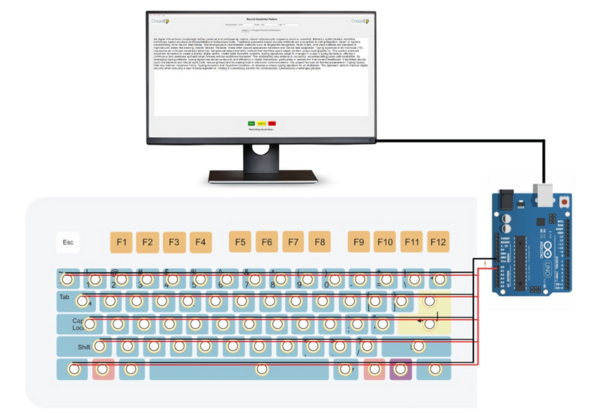
This manuscript describes a new method of on-the-go passwords using typing characteristics. The authors developed a keyboard and keystroke recording setup and tested it with 30 participants. The results indicated the five chosen parameters are distinct across participants yet consistent across time for each participant, making it a plausible candidate for a behavior-based password system.
Read More...An in silico molecular analysis of the antifungal properties of Ageratum conyzoides

This study explores the interaction between precocene II and trichocethecene 3-O-acetyltransferase using molecular docking simulations. Computational analysis identified several potential binding sites on the enzyme surface and predicted favorable ligand-protein interactions involving key residues. These findings provide insight into how precocene II may interact with this enzyme and demonstrate the use of computational approaches to explore potential antifungal mechanisms.
Read More...Evaluating key factors in emotion detection models for AI-driven personalized bibliotherapy
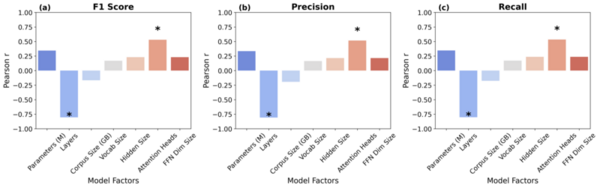
This study evaluates the potential of natural language processing (NLP) models in an emotion-driven bibliotherapy framework to improve mental health challenges.
Read More...Evaluating the effectiveness of synthetic training data for day-ahead wind speed prediction in the Great Lakes
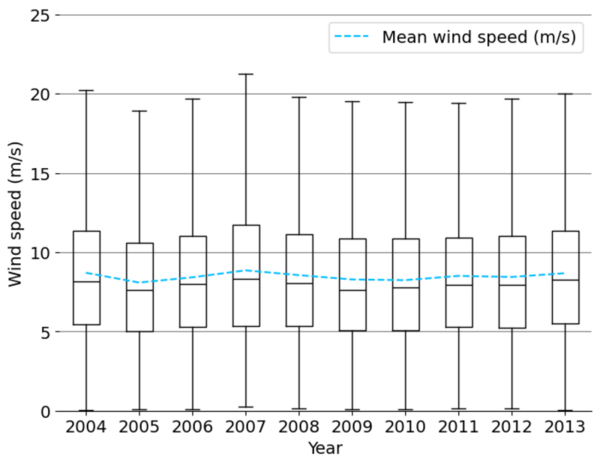
The authors looked at the feasibility to predict wind speeds that will have less reliance on using historical data.
Read More...Mechanism and cytotoxicity of A1874 proteolysis targeting chimera on CT26 colon carcinoma cell line
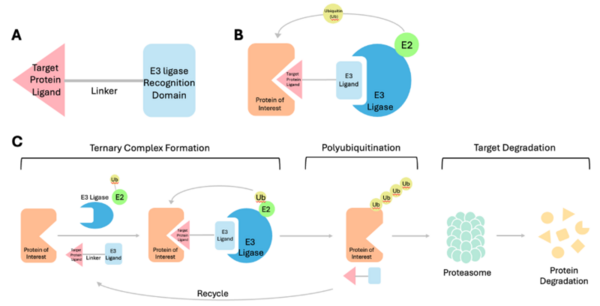
This study investigates the effects of the PROTAC compound A1874 on CT26 colon carcinoma cells, focusing on its ability to degrade the protein BRD4 and reduce cell viability. While A1874 had previously shown effectiveness in other colon cancer cell lines, its impact on CT26 cells was unknown.
Read More...Exploring the possibilities for reactions between SiW and alkaline solutions to be renewable energy sources
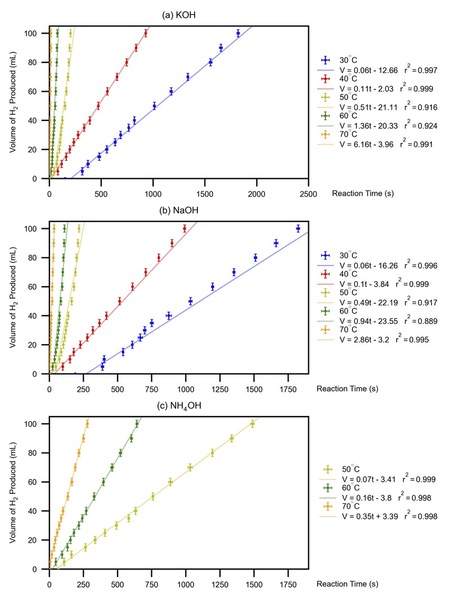
The authors looked at hydrogen gas production and how reaction temperature, concentration and alkaline solution used impacted the overall reaction with silicon. They found that all alkaline solutions tested would be viable options for using silicon waste to produce hydrogen gas to be used a renewable energy source.
Read More...DNA repair protein mutations alter blood cancer sensitivity to cisplatin or gemcitabine in vitro
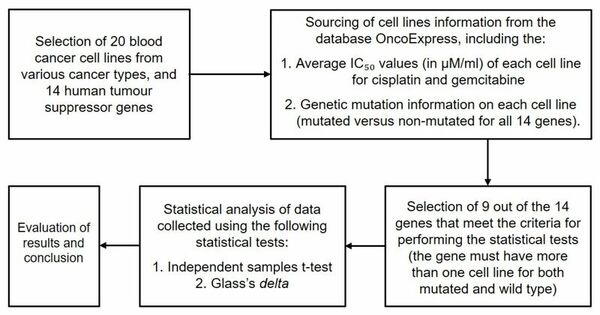
The authors investigate whether human blood cancers carrying mutations in DNA repair genes possess increased sensitivity to common chemotherapy drugs cisplatin or gemcitabine.
Read More...Contrasting role of ASCC3 and ALKBH3 in determining genomic alterations in Glioblastoma Multiforme

Glioblastoma Multiforme (GBM) is the most malignant brain tumor with the highest fraction of genome alterations (FGA), manifesting poor disease-free status (DFS) and overall survival (OS). We explored The Cancer Genome Atlas (TCGA) and cBioportal public dataset- Firehose legacy GBM to study DNA repair genes Activating Signal Cointegrator 1 Complex Subunit 3 (ASCC3) and Alpha-Ketoglutarate-Dependent Dioxygenase AlkB Homolog 3 (ALKBH3). To test our hypothesis that these genes have correlations with FGA and can better determine prognosis and survival, we sorted the dataset to arrive at 254 patients. Analyzing using RStudio, both ASCC3 and ALKBH3 demonstrated hypomethylation in 82.3% and 61.8% of patients, respectively. Interestingly, low mRNA expression was observed in both these genes. We further conducted correlation tests between both methylation and mRNA expression of these genes with FGA. ASCC3 was found to be negatively correlated, while ALKBH3 was found to be positively correlated, potentially indicating contrasting dysregulation of these two genes. Prognostic analysis showed the following: ASCC3 hypomethylation is significant with DFS and high ASCC3 mRNA expression to be significant with OS, demonstrating ASCC3’s potential as disease prediction marker.
Read More...