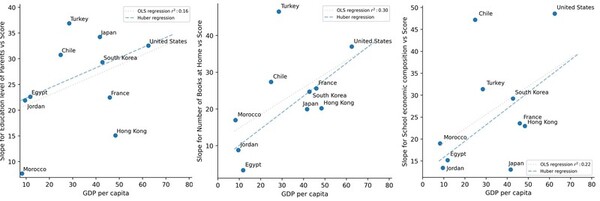
This study examines how socioeconomic status (SES) influences student mathematics achievement across countries by conducting multiple regression analyses to the Trends in International Mathematics and Science Study (TIMSS) 2019 dataset.
Read More...Comparative data analysis on the effect of socioeconomic factors on math proficiency
This study examines how socioeconomic status (SES) influences student mathematics achievement across countries by conducting multiple regression analyses to the Trends in International Mathematics and Science Study (TIMSS) 2019 dataset.
Read More...A comparative analysis of machine learning approaches for prediction of breast cancer

Machine learning and deep learning techniques can be used to predict the early onset of breast cancer. The main objective of this analysis was to determine whether machine learning algorithms can be used to predict the onset of breast cancer with more than 90% accuracy. Based on research with supervised machine learning algorithms, Gaussian Naïve Bayes, K Nearest Algorithm, Random Forest, and Logistic Regression were considered because they offer a wide variety of classification methods and also provide high accuracy and performance. We hypothesized that all these algorithms would provide accurate results, and Random Forest and Logistic Regression would provide better accuracy and performance than Naïve Bayes and K Nearest Neighbor.
Read More...The Effect of Various Preparation Methods on the Spoilage Rate of Roma Tomatoes (Solanum lycopersicum)
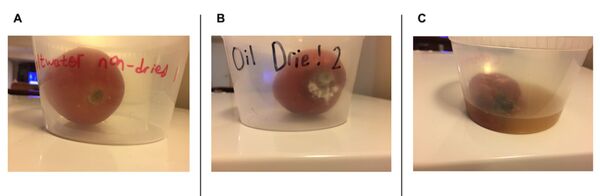
As levels of food waste continue to rise, it is essential to find improved techniques of prolonging the shelf life of produce. The authors aimed to find a simple, yet effective, method of slowing down spoilage in tomatoes. Linear regression analysis revealed that the tomatoes soaked salt water and not dried displayed the lowest correlation between time and spoilage, confirming that this preparation was the most effective.
Read More...Understanding the battleground of identity fraud

The authors looked at variables associated with identity fraud in the US. They found that national unemployment rate and online banking usage are among significant variables that explain identity fraud.
Read More...Determining the relationship between unemployment and minimum wage in Turkey
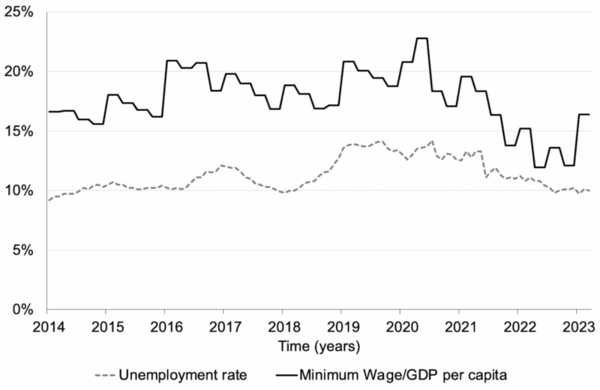
The authors looked at the relationship between unemployment and minimum wage in Turkey (Türkiye). They found that there is a positive correlation between minimum wage and unemployment.
Read More...Demographic trends of alcohol and marijuana co-use: examining age, gender, and race/ethnicity trends

This study aims to examine the demographic factors that predict patterns of co-use of alcohol and marijuana in the United States. Significant findings were identified using data from the National Survey on Drug Use and Health (2012-2022), showing that there were significant differences in the prevalence of substance use among demographic groups, with young adults showing the highest co-use of alcohol and marijuana.
Read More...Too hot to work? Heat waves, household income, and labor adaptation in India
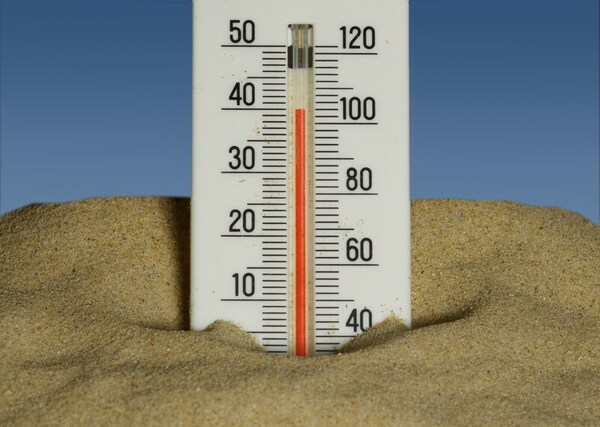
Paper found that heat waves in India are linked to lower household income, agricultural income, and consumption, with agriculture being affected the most. It also suggests farm workers may adapt to extreme heat over time by increasing labor inputs despite rising temperatures.
Read More...Is the NFL Combine predictive of a defensive lineman’s NFL career?

The authors looked at which measurements from the NFL combine were the most predictive of success for defensemen in the NFL.
Read More...Predicting voting and union support in certification elections: Evidence from Starbucks workers, 2021-2024
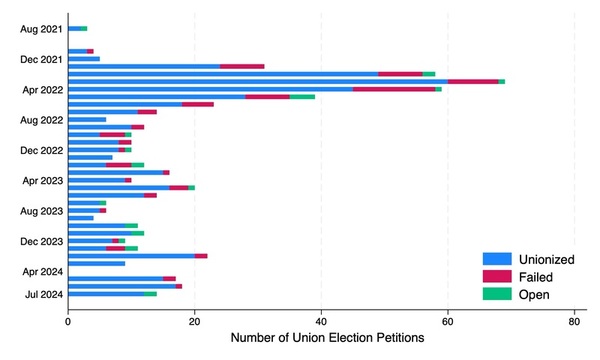
The authors looked at unionization petitions from Starbucks workers between August 2021 and July 2024 to determine what factors influence votes for or against unionization.
Read More...Associations between fentanyl usage and social media use among U.S. teens

Here the authors aimed to understand factors influencing adolescent fentanyl exposure, hypothesizing a positive association between social media usage, socioeconomic factors, and fentanyl abuse among U.S. teens. Their analysis of the Monitoring the Future dataset revealed that a history of suspension and use of marijuana or alcohol were linked to higher fentanyl use, and while not statistically significant, a notable positive correlation between social media use and fentanyl frequency was observed.
Read More...