Browse Articles

Simulations of Cheetah Roaming Demonstrate the Effect of Safety Corridors on Genetic Diversity and Human-Cheetah Conflict

Acton et al. | Apr 02, 2018

Simulations of Cheetah Roaming Demonstrate the Effect of Safety Corridors on Genetic Diversity and Human-Cheetah Conflict

Ecological corridors are geographic features designated to allow the movement of wildlife populations between habitats that have been fragmented by human landscapes. Corridors can be a pivotal aspect in wildlife conservation because they preserve a suitable habitat for isolated populations to live and intermingle. Here, two students simulate the effect of introducing a safety corridor for cheetahs, based on real tracking data on cheetahs in Namibia.

Read More...
The Effect of Various Preparation Methods on the Spoilage Rate of Roma Tomatoes (Solanum lycopersicum)

Cataltepe et al. | Feb 22, 2018

The Effect of Various Preparation Methods on the Spoilage Rate of Roma Tomatoes (Solanum lycopersicum)

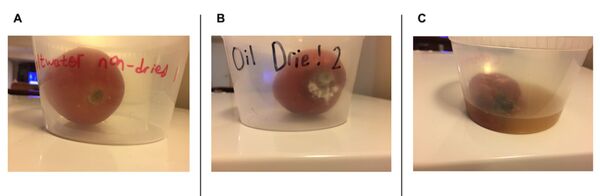
As levels of food waste continue to rise, it is essential to find improved techniques of prolonging the shelf life of produce. The authors aimed to find a simple, yet effective, method of slowing down spoilage in tomatoes. Linear regression analysis revealed that the tomatoes soaked salt water and not dried displayed the lowest correlation between time and spoilage, confirming that this preparation was the most effective.

Read More...

Extroverts as Materialists: Correlating Personality Traits, Materialism, and Spending Behavior

Jackson et al. | Feb 19, 2017

Extroverts as Materialists: Correlating Personality Traits, Materialism, and Spending Behavior

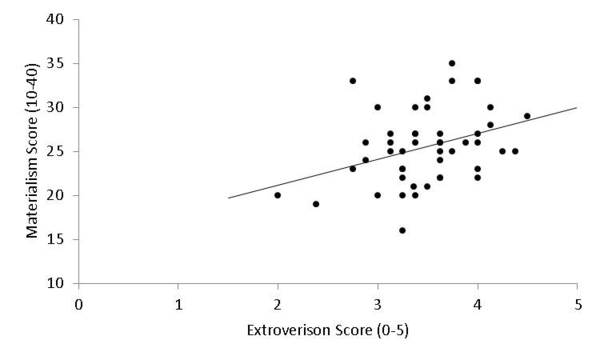
The authors investigated the relationship between personality traits and adolescent materialism, as well as how materialism relates to spending habits. Results indicate that extroversion was positively correlated with materialism, and that adolescents' purchases were affected by the purchasing behaviors of their friends or peers. Moreover, materialistic youth were more likely than non-materialistic youth to spend money on themselves when given a hypothetical windfall of $500.

Read More...

Phytoplankton Plastid Proteomics: Cracking Open Diatoms to Understand Plastid Biochemistry Under Iron Limitation

Nunn et al. | Feb 10, 2017

Phytoplankton Plastid Proteomics: Cracking Open Diatoms to Understand Plastid Biochemistry Under Iron Limitation

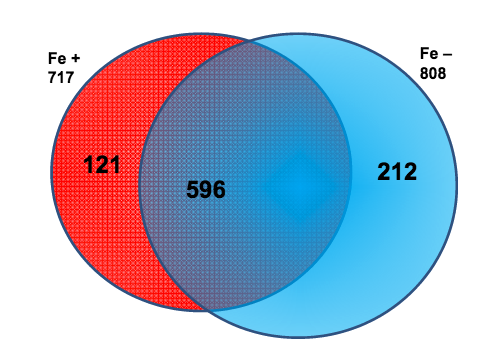
In many areas of the world’s oceans, diatoms such as Thalassiosira pseudonana are limited in growth by the availability of iron (Fe), which is an essential nutrient for diatoms. The authors of this study examined if Fe-limitation makes a significant difference in the proteins expressed within the chloroplast, the power source for diatoms, utilizing a new plastid isolation technique specific to diatoms and completing 14 mass spectrometry experiments.

Read More...

The Effect of Delivery Method, Speaker Demographics, and Physical Environment on the Engagement Level of Older Adults

Seides et al. | May 24, 2015

The Effect of Delivery Method, Speaker Demographics, and Physical Environment on the Engagement Level of Older Adults

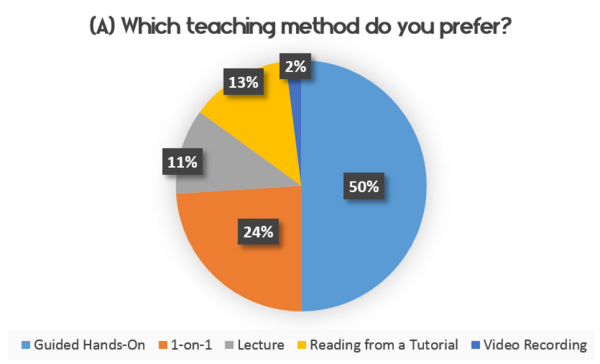
With an increasing older adult population and rapid advancements in technology, it is important that senior citizens learn to use new technologies to remain active in society. A variety of factors on learning were investigated through surveys of senior citizens. Older adults preferred an interactive lesson style, which also seemed to help them retain more course material.

Read More...

Towards an Integrated Solution for Renewable Water and Energy

Chen et al. | Jan 09, 2015

Towards an Integrated Solution for Renewable Water and Energy

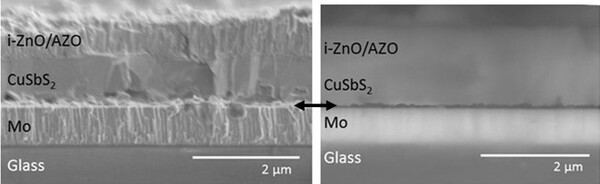
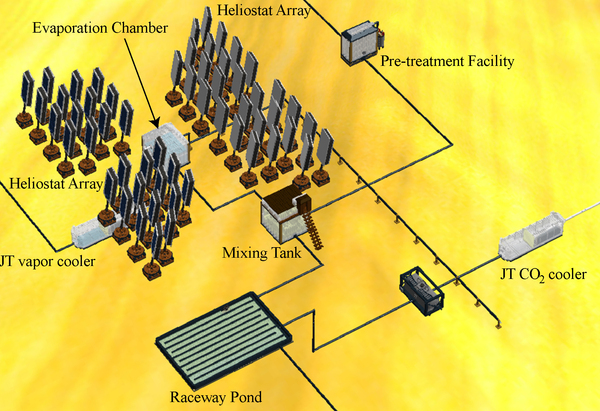
An integrated plant that would generate energy from solar power and provide clean water would help solve multiple sustainability issues. The feasibility of such a plant was investigated by looking at the efficacy of several different modules of such a plant on a small scale.

Read More...