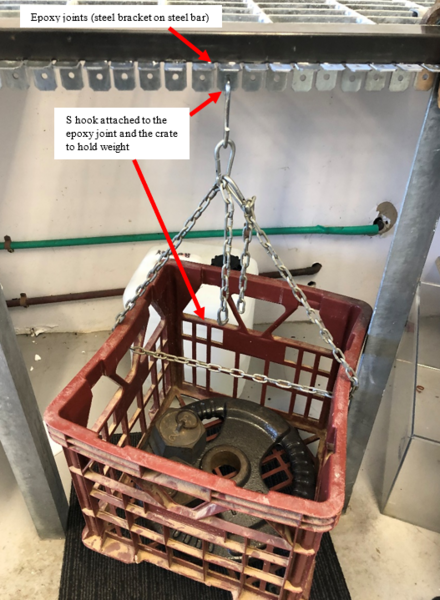
Understanding the techniques used to improve the adhesion strength of the epoxy resin is important especially for consumer applications such as repairing car parts, bonding aluminum sheeting, and repairing furniture or applications within the aviation or civil industry. Selleys Araldite epoxy makes specific strength claims emphasizing that the load or weight that can be supported by the adhesive is 72 kg/cm2. Nguyen and Clarke aimed to test the strength claims of Selley’s Araldite Epoxy by gluing two steel adhesion surfaces: a steel tube and bracket. Results showed that there is a lack of consideration by Selleys for adhesion loss mechanisms and environmental factors when accounting for consumer use of the product leading to disputable claims.
Read More...Browse Articles
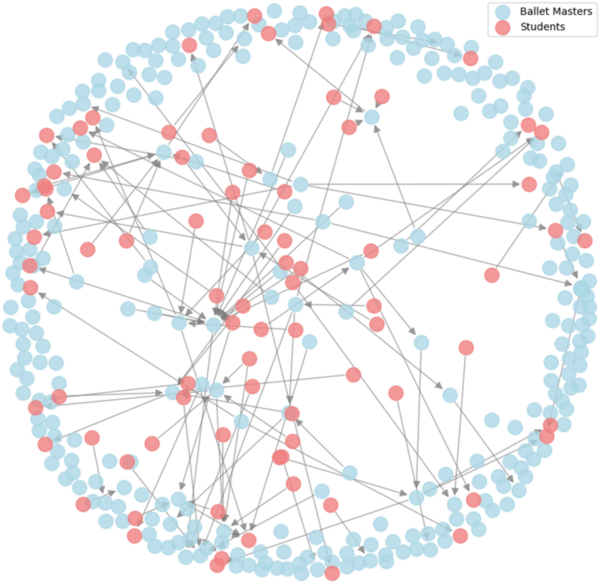
The role of institutional prestige, gender, and number of citizenships in ballet masters’ careers
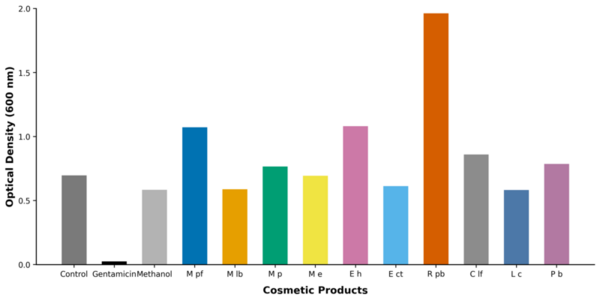
In vitro effects of cosmetic products on the growth of skin-resident bacteria
This study investigated how 18 commonly used cosmetic products affect the growth of two skin-resident bacteria, Staphylococcus epidermidis and Micrococcus luteus. At higher concentrations, half of the tested products inhibited at least one bacterial species, suggesting that some cosmetics may disrupt the skin microbiome and its natural balance.
Read More...Social and psychosocial factors associated with mood states among adolescents: A questionnaire-based study
The authors assess the relationship between supportive family environments and internalized stigma in adolescents.
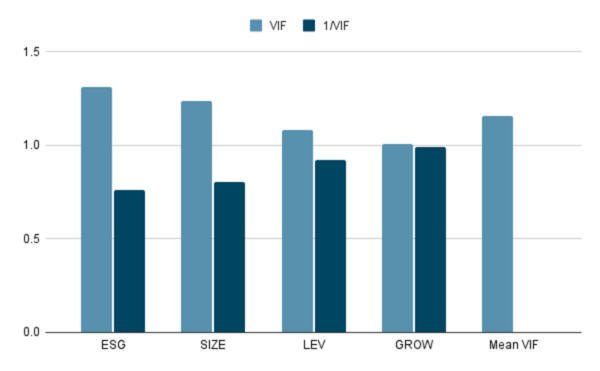
Read More...Environmental, Social, and Governance (ESG) Standards and Financial Performance in Vietnam’s Media Sector
In this study, the authors examine the relationship between ESG (Environmental, Social, and Governance) factors on financial performance of Vietnamese media companies, as measured by ROA and ROE. They find that ESG is positively correlated with financial performance, as is sales growth. They also find that financial leverage is negatively correlated with ROA. Overall, this is a quality study, although the methods section requires more detail.
Read More...Examining the impact of consecutive losses on gambling: When do we decide to quit?
This article explored the question of when do people decide to stop gambling and further tries to extrapolate why people stop gambling at that point. Their study showed that people tend to quit gambling after 4 consecutive losses, significantly more than 1-3 consecutive losses or a win previous to quitting. They also found that participants commonly quit at a point value approximately 5 points greater than or less than their starting balance. The authors concluded that these results may be important in understanding how to cut down on excessive gambling or in creating policies that make it easier for people to disengage from gambling.
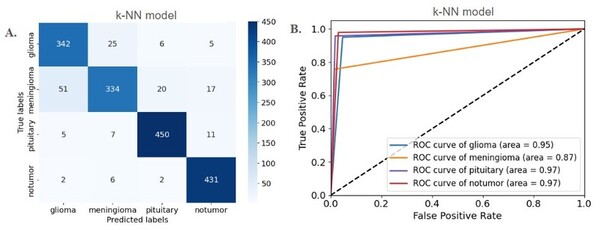
Read More...Assessing machine learning model efficacy for brain tumor MRI classification: a multi-model approach
This manuscript explores the performance of five different machine learning models in classifying brain tumors from a dataset of MRI scans. The authors find that several of the models showed >90% accuracy. Thus, the authors suggest that machine learning models demonstrate potential for effective implementation in clinical settings, including as a diagnostic tool that can be used to complement the expertise of neuroradiologists.
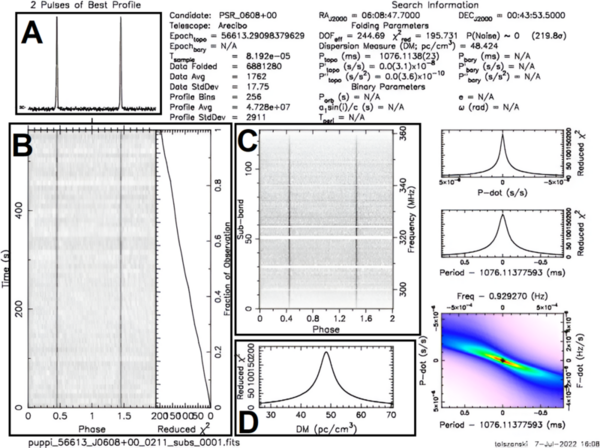
Read More...Deep learning for pulsar detection: Investigating hyperparameter effects on TensorFlow classification accuracy
This study investigates how the hyperparameters epochs and batch size affect the classification accuracy of a convolutional neural network (CNN) trained on pulsar candidate data. Our results reveal that accuracy improves with increasing number of epochs and smaller batch sizes, suggesting that with optimized hyperparameters, high accuracy may be achievable with minimal training. These findings offer insights that could help create more efficient machine learning classification models for pulsar signal detection, with the potential of accelerating pulsar discovery and advancing astrophysical research.
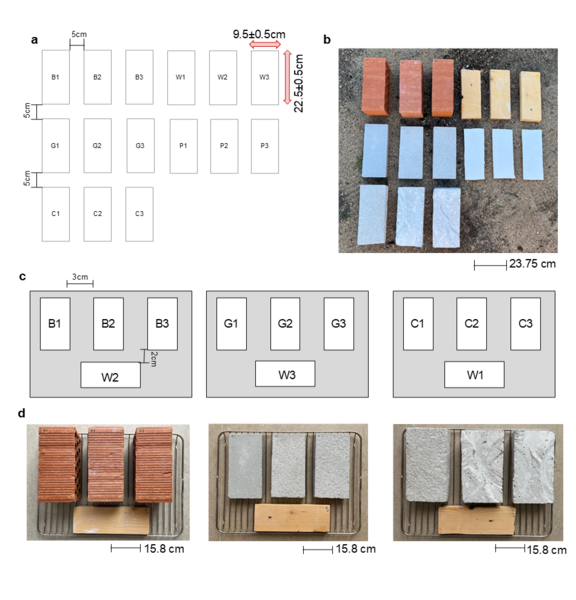
Read More... Ultraviolet exposure and thermal mass variation on surface temperature responses in building materials
The authors studied the response of various construction materials to UV solar radiation and heat.
Read More...Impact of TCERG1 SNP on gene expression and protein interactome in Huntington’s disease
The authors assess a genetic variant within a well-known interaction partner of huntingtin that has been linked to modifying the age of onset of Huntington's disease.
Read More...