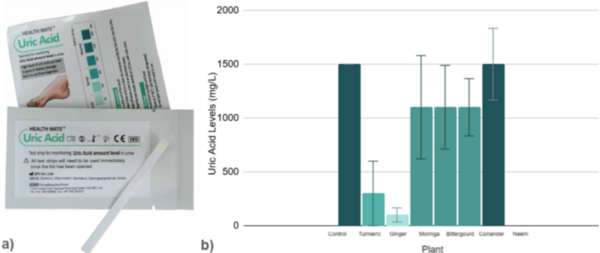
The authors test the ability of six ayurvedic plants to reduce levels of uric acid in solution.
Read More...Investigating the effectiveness of ayurvedic plants on lowering uric acid levels to combat hyperuricemia
The authors test the ability of six ayurvedic plants to reduce levels of uric acid in solution.
Read More...The effect of chondroitin sulfate on the development of plants grown in roadside soil
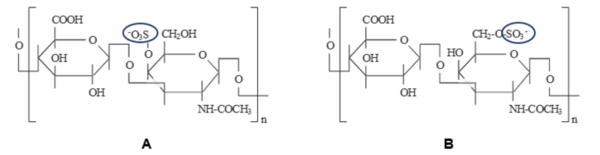
Heavy metal contamination from transportation can damage soil and vegetation by increasing oxidative stress, disrupting enzymes, and impairing photosynthesis. This study investigated whether chondroitin sulfate (CS) could reduce the harmful effects of contaminated roadside soil on plant growth by binding with metal ions.
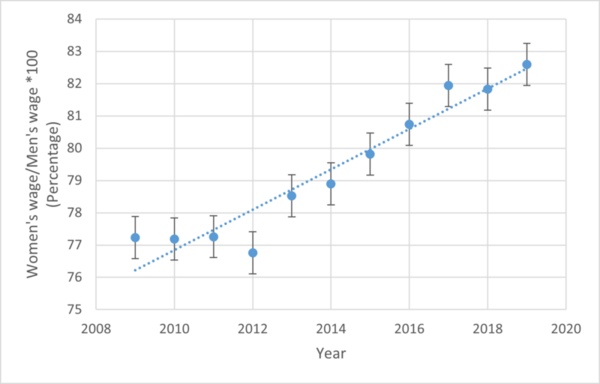
Read More...The influence of menstrual cost on women’s work hours and the pursuit of wage gap equity
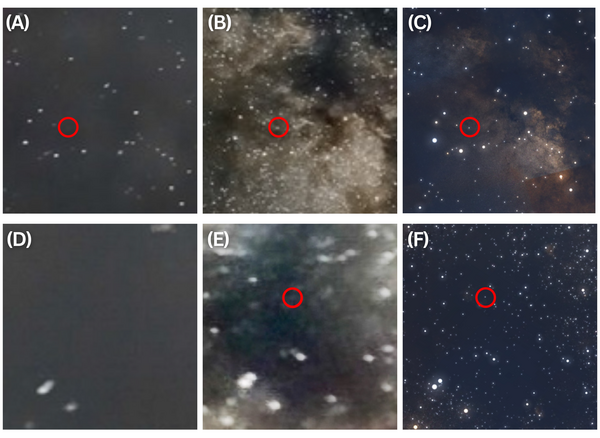
The impact of light pollution on astrophotography and visual astronomy in varying environments
Applying machine learning to breast cancer diagnosis: A high school student’s exploration using R

The authors combine fine needle aspiration biopsy and machine learning algorithms to develop a breast cancer detection method suitable for resource-constrained regions that lack access to mammograms.
Read More...Deep dive into predicting insurance premiums using machine learning
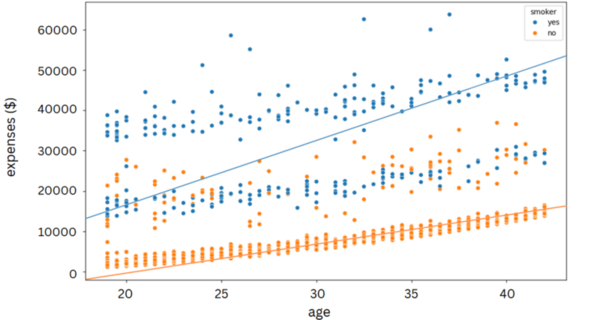
The authors looked at different factors, such as age, pre-existing conditions, and geographic region, and their ability to predict what an individual's health insurance premium would be.
Read More...Mitigating open-set misclassification in a colorectal cancer detecting neural network
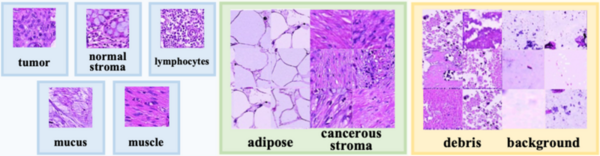
The authors develop a machine learning method to reduce misclassification of objects in safety-critical applications such as medical diagnosis.
Read More...A low-cost method for purification of agricultural wastewater based on S. platensis
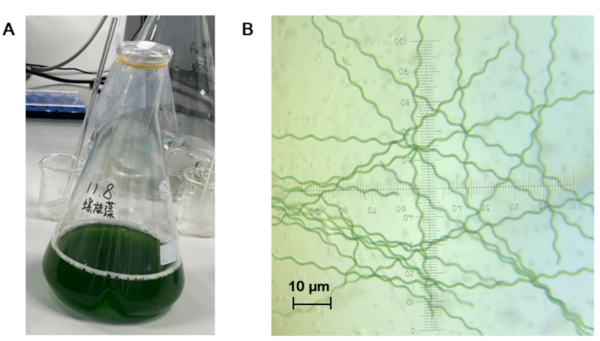
The authors looked at the ability of Spirulina platensis to reduce contaminants in wastewater in order to develop a more accessible treatment option. They found that S platensis did reduce the concentration of pollutants present within simulated agricultural wastewater.
Read More...Genetic Bioaugmentation of Oryza sativa to Facilitate Self-Detoxification of Arsenic In-Situ
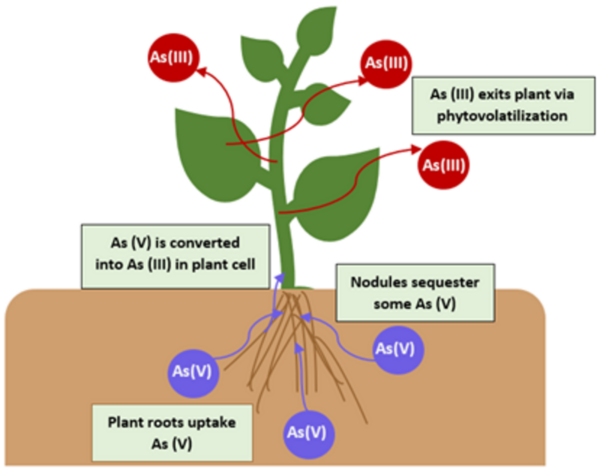
Arsenic contamination in rice, caused by the use of arsenic-laden groundwater for irrigation, is a growing global concern, affecting over 150 million people. To address this, researchers hypothesized that genetically modifying rice plants with arsenic-resistant genes could reduce arsenic uptake and allow the plants to detoxify arsenic, making them safer to consume.
Read More...The precision of machine learning models at classifying autism spectrum disorder in adults

Autism spectrum disorder (ASD) is hard to correctly diagnose due to the very subjective nature of diagnosing it: behavior analysis. Due to this issue, we sought to find a machine learning-based method that diagnoses ASD without behavior analysis or helps reduce misdiagnosis.
Read More...