Browse Articles

Identifying shark species using an AlexNet CNN model

Sarwal et al. | Sep 23, 2024

Identifying shark species using an AlexNet CNN model

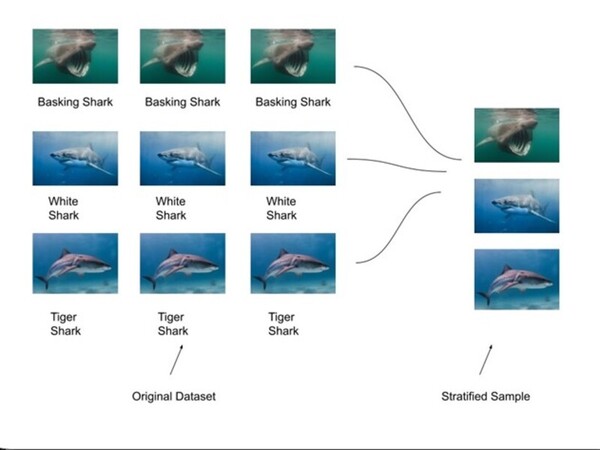
The challenge of accurately identifying shark species is crucial for biodiversity monitoring but is often hindered by time-consuming and labor-intensive manual methods. To address this, SharkNet, a CNN model based on AlexNet, achieved 93% accuracy in classifying shark species using a limited dataset of 1,400 images across 14 species. SharkNet offers a more efficient and reliable solution for marine biologists and conservationists in species identification and environmental monitoring.

Read More...

Kinetic Monitoring and Fourier-Transform Infrared (FTIR) Spectroscopy of the Green Oxidation of (-)-Menthol to (-)-Menthone

Surapaneni et al. | Aug 06, 2020

Kinetic Monitoring and Fourier-Transform Infrared (FTIR) Spectroscopy of the Green Oxidation of (-)-Menthol to (-)-Menthone

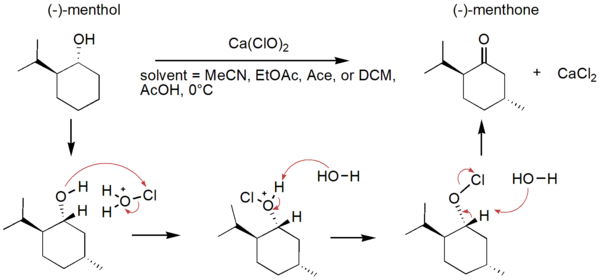
In an effort to reduce the production of hazardous substances, green chemistry aims to make chemical processes more sustainable. One way to do so is changing solvents in chemical reactions. Here, authors assessed different “green” solvents on the oxidation of (-)-menthol to (-)-menthone using Fourier-transform infrared (FTIR) spectroscopy, optimizing the solvent system for this reaction.

Read More...

Legacy mercury, reservoir dynamics, and dredging effects on methylmercury in San Francisco Bay

Silver et al. | Aug 24, 2026

Legacy mercury, reservoir dynamics, and dredging effects on methylmercury in San Francisco Bay

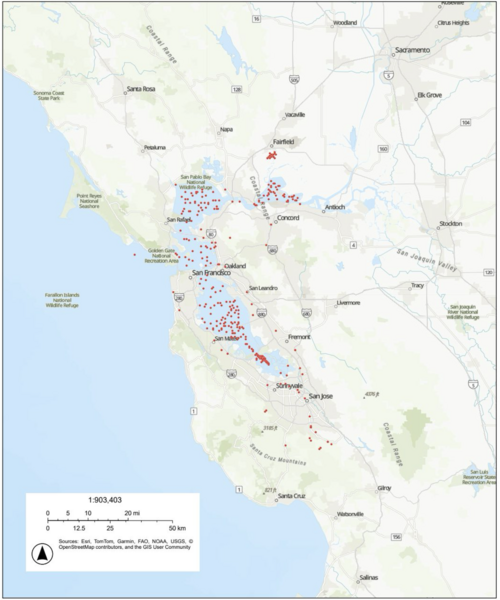
This study analyzes over two decades of monitoring data (1999-2022) to investigate how legacy mining, reservoir water releases, and dredging activities influence toxic methylmercury (MeHg) levels in San Francisco Bay. The findings reveal a significant delayed correlation between river flow and San Francisco Bay MeHg, and counter to the authors' hypothesis, a strong association between increased MeHg concentrations in the bay and both total annual dredging volume and beneficial sediment reuse / upland sediment disposal.

Read More...

Modelling effects of alkylamines on sea salt aerosols using the Extended Aerosols and Inorganics Model

Chang et al. | Apr 29, 2022

Modelling effects of alkylamines on sea salt aerosols using the Extended Aerosols and Inorganics Model

With monitoring of climate change and the evolving properties of the atmosphere more critical than ever, the authors of this study take sea salt aerosols into consideration. These sea salt aerosols, sourced from the bubbles found at the surface of the sea, serve as cloud condensation nuclei (CCN) and are effective for the formation of clouds, light scattering in the atmosphere, and cooling of the climate. With amines being involved in the process of CCN formation, the authors explore the effects of alkylamines on the properties of sea salt aerosols and their potential relevance to climate change.

Read More...

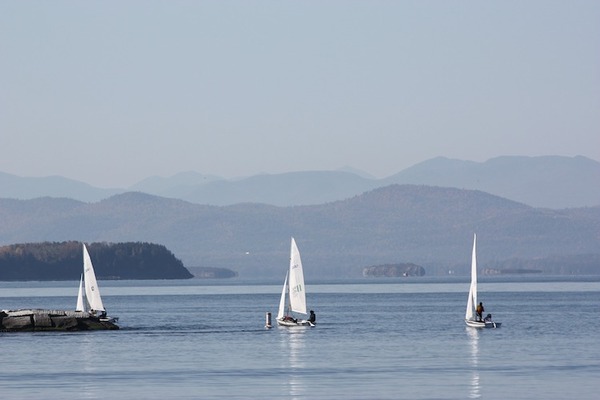
Characterization and Phylogenetic Analysis of the Cytochrome B Gene (cytb) in Salvelinus fontinalis, Salmo trutta and Salvelinus fontinalis X Salmo trutta Within the Lake Champlain Basin

Palermo et al. | Jan 24, 2014

Characterization and Phylogenetic Analysis of the Cytochrome B Gene (<em>cytb</em>) in <em>Salvelinus fontinalis</em>,<em> Salmo trutta</em> and <em>Salvelinus fontinalis X Salmo trutta</em> Within the Lake Champlain Basin

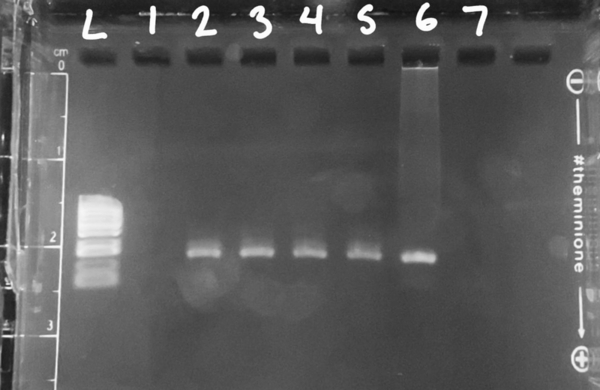
Recent declines in the brook trout population of the Lake Champlain Basin have made the genetic screening of this and other trout species of utmost importance. In this study, the authors collected and analyzed 21 DNA samples from Lake Champlain Basin trout populations and performed a phylogenetic analysis on these samples using the cytochrome b gene. The findings presented in this study may influence future habitat decisions in this region.

Read More...

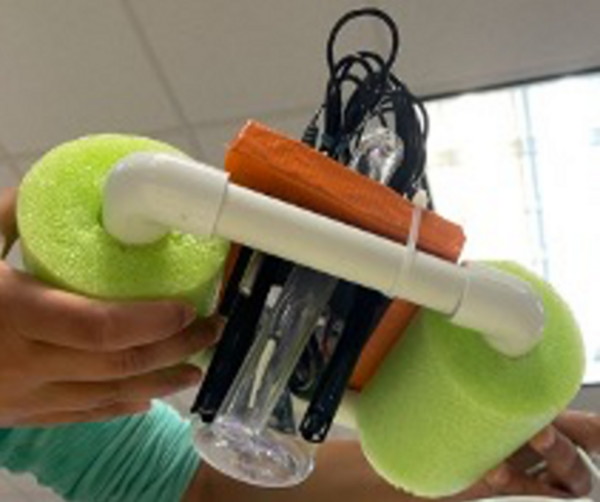
Suppress that algae: Mitigating the effects of harmful algal blooms through preemptive detection & suppression

Natarajan et al. | Jul 17, 2023

Suppress that algae: Mitigating the effects of harmful algal blooms through preemptive detection & suppression
Image credit: Sharanya Natarajan

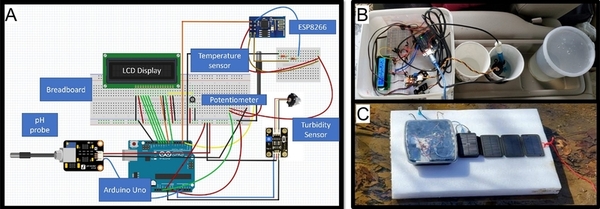
A bottleneck in deleting algal blooms is that current data section is manual and is reactionary to an existing algal bloom. These authors made a custom-designed Seek and Destroy Algal Mitigation System (SDAMS) that detects harmful algal blooms at earlier time points with astonishing accuracy, and can instantaneously suppress the pre-bloom algal population.

Read More...