
The authors looked at the correlation between C reactive protein levels and neurological deficits in patients who had suffered an ischemic stroke.
Read More...C reactive protein and risk of neurological deficits and disability in patients with acute ischemic stroke
The authors looked at the correlation between C reactive protein levels and neurological deficits in patients who had suffered an ischemic stroke.
Read More...A statistical analysis and generalized linear models of cerebral stroke
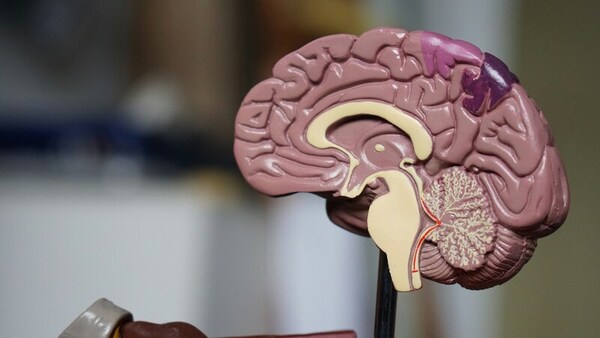
Here the authors sought to investigate whether and how cerebral stroke and other health-related variables are influenced together and amongst each other by using statistical analyses. Their analysis suggested relations between nearly all variables considered, with the strongest association between having heart disease and a cerebral stroke.
Read More...Assessing the Efficacy of NOX Enzyme Inhibitors as Potential Treatments for Ischemic Stroke in silico
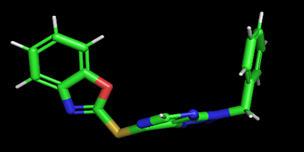
Ischemic stroke occurs when blood flow to the brain is interrupted, causing brain damage. This study investigated the effectiveness of different NOX inhibitors as treatments for ischemic stroke in silico. The results help corroborate previous in vivo and in vitro studies in an in silico format, and can be used towards developing drugs to treat ischemic stroke.
Read More...Optimizing tennis strategy: a data-driven analysis of point importance

The authors looked at the importance of different point breakdowns needed to win in a game of tennis.
Read More...The Effect of Concentration on the Pressure of a Sodium Chloride Solution Inside Dialysis Tubing

In this study, the authors investigate the effects of sodium levels on blood pressure, one of the most common medical problems worldwide. They used a simulated blood vessel constructed from dialysis tubing to carefully analyze pressure changes resulting from various levels of sodium in the external solution. They found that when the sodium concentration in the simulated blood vessel was higher than the external fluid, internal pressure increased, while the reverse was true when the sodium concentration was lower than in the surrounding environment. These results highlight the potential for sodium concentration to have a significant effect on blood pressure in humans by affecting the rate of osmosis across the boundaries of actual blood vessels.
Read More...Study of PINN sensor layout in evaluating WSS with application to patient-specific carotid flow
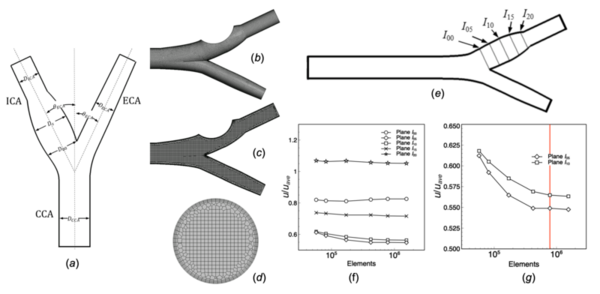
Physics‑Informed Neural Networks (PINNs) offer a promising way to estimate blood‑flow behavior in arteries, especially near the vessel wall where traditional methods struggle. In this study, students tested how sensor density and placement affect PINN accuracy in modeling carotid artery flow and found that accuracy improves up to a moderate sensor density and depends strongly on how close sensors are placed to the arterial wall. Applying the optimized configuration to a patient‑specific carotid model produced velocity predictions closely matching computational fluid dynamics results, highlighting PINNs’ potential for future personalized cardiovascular assessment.
Read More...Reducing levels of C-Reactive Protein: An eight-week, open-label clinical trial of three oral supplements

In this study, the effects of vitamin C, ginger, or curcumin supplements on C-reactive protein levels in healthy participants are determined in an eight-week open-label trial.
Read More...Correlates of Sugar Consumption Among High School Students and Faculty
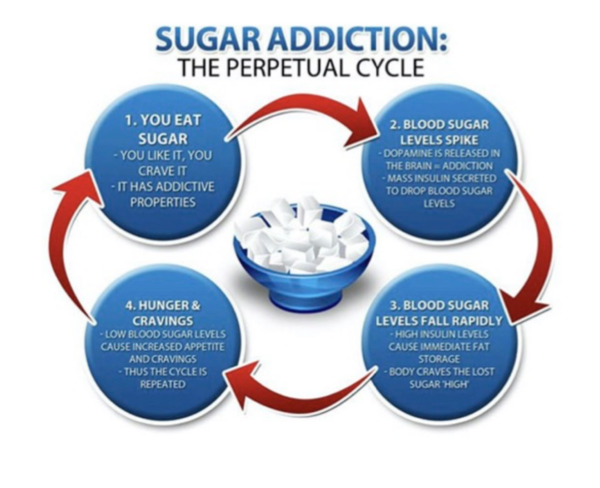
The availability, portion sizes, and consumption of highly palatable food has been linked adverse health outcomes. McBurnett and O’Donnell sought to assess the relationship between reward-based eating drive, consumption, cravings, and knowledge of the effects of sugary foods. In this study population, reward-based eating drive was related to both consumption and cravings. Further, for females, the knowledge of sugar’s effects was significantly and inversely associated with its consumption.
Read More...Comparing the Effect of Stent Geometry on Blood Flow Rate of Curved Coronary Artery Stenosis
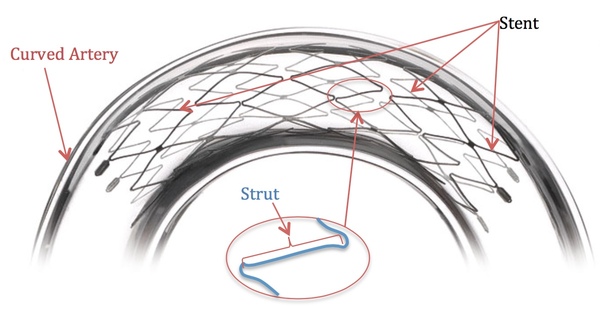
Coronary heart disease (CHD) is a global disease that causes fatal buildup of plaque in the arteries. Currently stents are placed in the artery for many patients with CHD to support proper blood flow. Here, the authors build a system to explore how the shape of the stent affects blood flow rate, a finding that can help optimize stents for patients.
Read More...Near-infrared activation of environmentally-friendly gold and silver nanoparticles for unclogging arteries
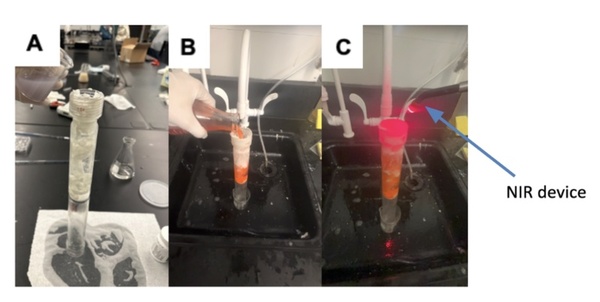
Coronary artery disease, the leading cause of death worldwide, results from cholesterol build-up in coronary arteries, limiting blood and oxygen flow to the heart. This study investigated the use of gold and silver nanoparticles coated with aspirin and activated by near-infrared light to improve blood flow in a clogged artery model. The nanoparticles increased simulated blood flow rates, demonstrating potential as a less invasive and more targeted treatment for cardiovascular disease.
Read More...