Browse Articles

Prediction of preclinical Aβ deposit in Alzheimer’s disease mice using EEG and machine learning

Igarashi et al. | Nov 29, 2022

Prediction of preclinical Aβ deposit in Alzheimer’s disease mice using EEG and machine learning

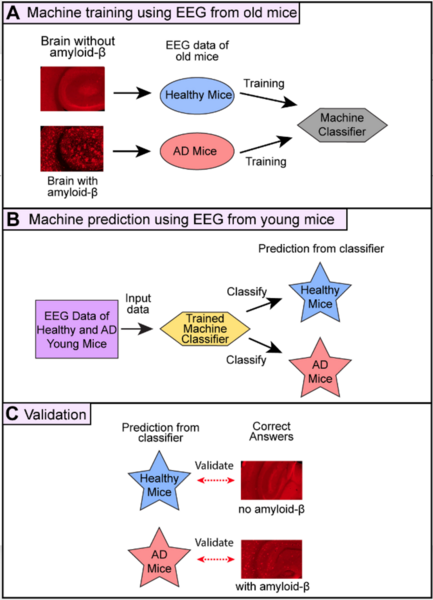
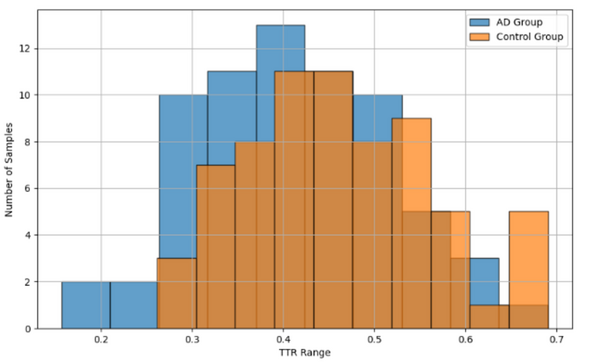
Alzheimer’s disease (AD) is a common disease affecting 6 million people in the U.S., but no cure exists. To create therapy for AD, it is critical to detect amyloid-β protein in the brain at the early stage of AD because the accumulation of amyloid-β over 20 years is believed to cause memory impairment. However, it is difficult to examine amyloid-β in patients’ brains. In this study, we hypothesized that we could accurately predict the presence of amyloid-β using EEG data and machine learning.

Read More...

Breast cancer mammographic screening by different guidelines among women of different races/ethnicities

Wang et al. | Aug 27, 2023

Breast cancer mammographic screening by different guidelines among women of different races/ethnicities

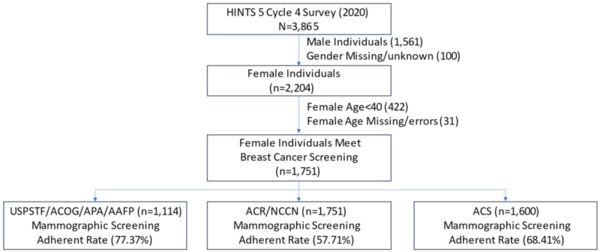
Mammographic screening is a common diagnostic tool for breast cancer among average-risk women. The authors hypothesized that adherence rates for mammographic screening may be lower among minorities (non-Hispanic black (NHB) and Hispanic/Latino) than among non-Hispanic whites (NHW) regardless of the guideline applied. The findings support other studies’ results that different racial/ethnic and socio-demographic factors can affect screening adherence. Therefore, healthcare providers should promote breast cancer screening especially among NHW/Hispanic women and women lacking insurance coverage.

Read More...

Development of a Novel Treatment Strategy to Treat Parkinsonian Neurodegeneration by Targeting Both Lewy Body Aggregation and Dopaminergic Neuronal Degradation in a Drosophila melanogaster Model

Sama et al. | Sep 25, 2019

Development of a Novel Treatment Strategy to Treat Parkinsonian Neurodegeneration by Targeting Both Lewy Body Aggregation and Dopaminergic Neuronal Degradation in a <em>Drosophila melanogaster</em> Model

In this article the authors address the complex and life quality-diminishing neurodegenerative disease known as Parkinson's. Although genetic and/or environmental factors contribute to the etiology of the disease, the diagnostic symptoms are the same. By genetically modifying fruit flies to exhibit symptoms of Parkinson's disease, they investigate whether drugs that inhibit mitochondrial calcium uptake or activate the lysosomal degradation of proteins could improve the symptoms of Parkinson's these flies exhibit. The authors report the most promising outcome to be that when both types of drugs were used together. Their data provides encouraging evidence to support further investigation of the utility of such drugs in the treatment of human Parkinson's patients.

Read More...

Retinal biomarkers for the detection of neurological disease using deep learning

Kim et al. | Sep 04, 2026

Retinal biomarkers for the detection of neurological disease using deep learning

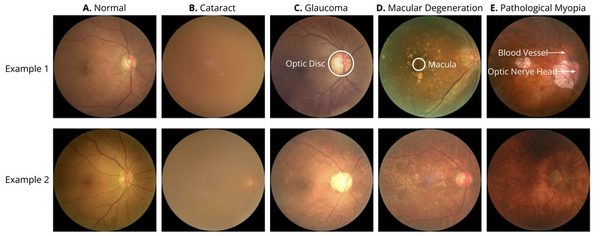
The authors looked at whether retinal features, specifically lens clarity, optic nerve cupping, and hyperreflective foci, can serve as biomarkers for neuro-ophthalmological diseases, which share pathological mechanisms with neurodegeneration and may indicate broader neurological risk. Using multimodal clinical data and machine learning, they investigated the potential of retinal imaging as a complementary diagnostic tool for more accurate and accessible detection of neurological disorders.

Read More...

Large-scale brain network connectivity under anxiety induced by naturalistic story listening

Chang et al. | Jun 03, 2026

Large-scale brain network connectivity under anxiety induced by naturalistic story listening

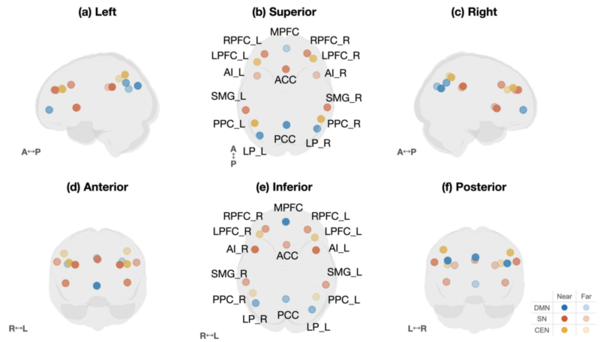
This study found that anxiety induced by a suspenseful story increased communication between the brain’s salience, default mode, and central executive networks, with the central executive network acting as a bridge during peak tension. These findings suggest that anxiety alters large-scale brain connectivity patterns and may help inform future diagnostic tools and personalized treatments for anxiety disorders.

Read More...

Culturally Adapted Assessment Tool for Autism Spectrum Disorder and its Clinical Significance

Das et al. | Apr 19, 2021

Culturally Adapted Assessment Tool for Autism Spectrum Disorder and its Clinical Significance

Diagnosing of Autism Spectrum Disorder (ASD) using tools developed in the West is challenging in the Indian setting due to a huge diversity in sociocultural and economic backgrounds. Here, the authors developed a home-based, audiovisual game app (Autest) suitable for ASD risk assessment in Indian children under 10 years of age. Ratings suggested that the tool is effective and can reduce social inhibition and facilitate assessment. Further usage and development of Autest can improve risk assessment and early intervention measures for children with ASD in India.

Read More...

The Development of a Highly Sensitive Home Diagnosis Kit for Group A Streptococcus Bacteria (GAS)

Mai et al. | Dec 05, 2018

The Development of a Highly Sensitive Home Diagnosis Kit for Group A Streptococcus Bacteria (GAS)

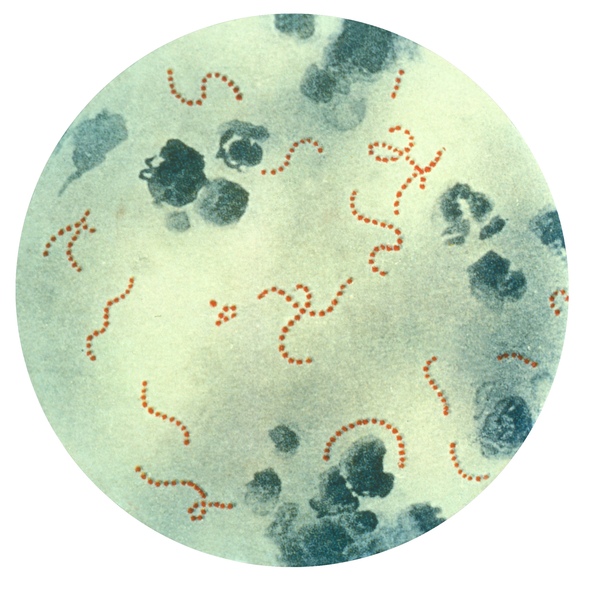
In this article, Mai et al. have developed a do-it-yourself kit for the detection of Strep A bacterial infections. While Strep A infections require antibiotic administration, viral infections, which can present with similar symptoms, often resolve on their own. The problem with delayed antibiotic treatment is an increasing risk of complications. Currently an accurate diagnosis requires that patients make the trip to the hospital where sensitive tests can be performed. The method described here, bundled into a commercially available kit, could help speed up the identification of such bacterial infections. When presented with symptoms of a sore throat and fever, you could just buy the kit at your local pharmacy, perform the simple yet highly accurate and sensitive test, and know whether an urgent trip to the doctor's for an antibiotic prescription is necessary. How convenient!

Read More...