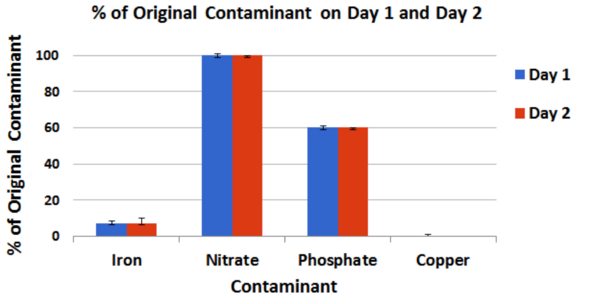
The authors test the ability of aloe vera gel to purify water of four separate contaminants. Aloe reduced the levels of copper, iron, and phosphate, but not nitrate. Potential applications of this purification system are discussed.
Read More...Purification of Water by Aloe
The authors test the ability of aloe vera gel to purify water of four separate contaminants. Aloe reduced the levels of copper, iron, and phosphate, but not nitrate. Potential applications of this purification system are discussed.
Read More...The Effect of Cobalt Biomineralization on Power Density in a Microbial Fuel Cell
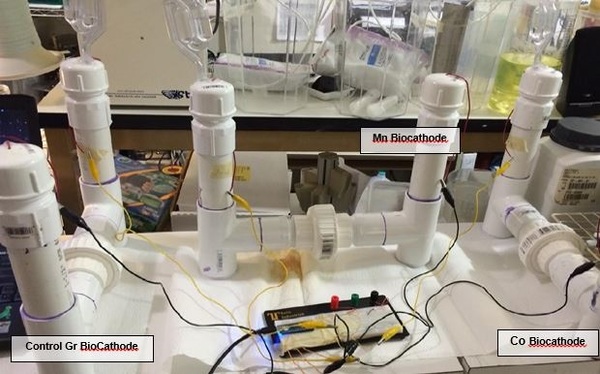
A microbial fuel cell is a system to produce electric current using biochemical products from bacteria. In this project authors operated a microbial fuel cell in which glucose was oxidized by Shewanella oneidensis in the anodic compartment. We compared the power output from biomineralized manganese or cobalt oxides, reduced by Leptothrix cholodnii in the cathodic compartment.
Read More...A 3D printed triboelectric nanogenerator for bridge vibration energy harvesting and sensing
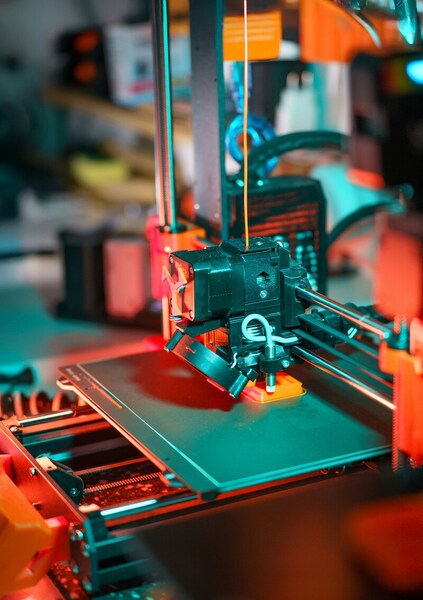
This study strongly illustrates that optimizing 3D printing parameters would enhance a triboelectric nanogenerator's performance. The design improvements substantiate the potential of optimized, 3D-printed TENGs for developing scalable, cost-effective solutions for powering low-energy electronics, particularly in applications such as structural health monitoring.
Read More...Integration of iron oxide nanoparticles into high-density polyethylene for sustainable cup coatings
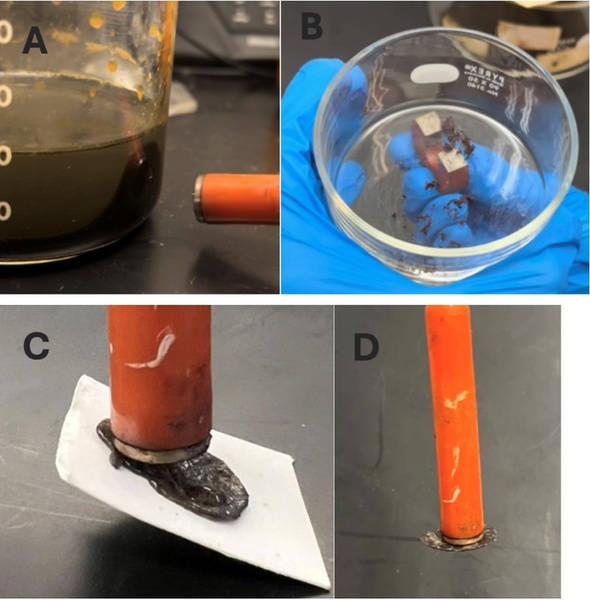
Here the authors propose integrating magnetic iron (II) oxide nanoparticles into the high-density polyethylene linings of disposable paper cups to create a waterproof, magnetically responsive composite liner. Their findings demonstrate that these nanoparticles successfully bond with the plastic layer without disrupting its structural integrity, offering a viable method to improve plastic recovery through magnetic recycling and mitigate global microplastic pollution.
Read More...Incorporating graphite from pencils as a component of lithium-ion batteries
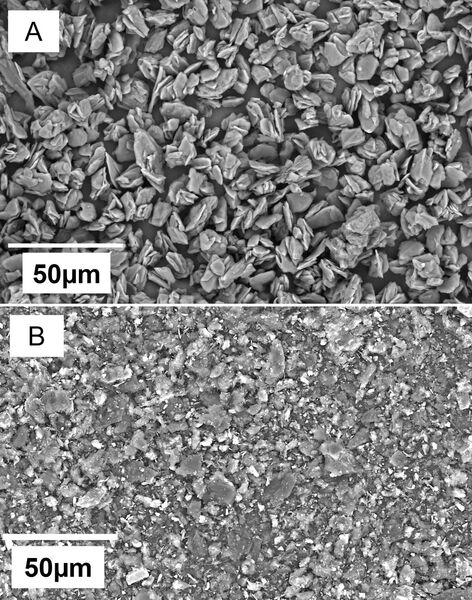
The authors looked at the ability to use graphite from pencils in anodes of lithium-anode batteries.
Read More...Cleaning up the world’s oceans with underwater laser imaging
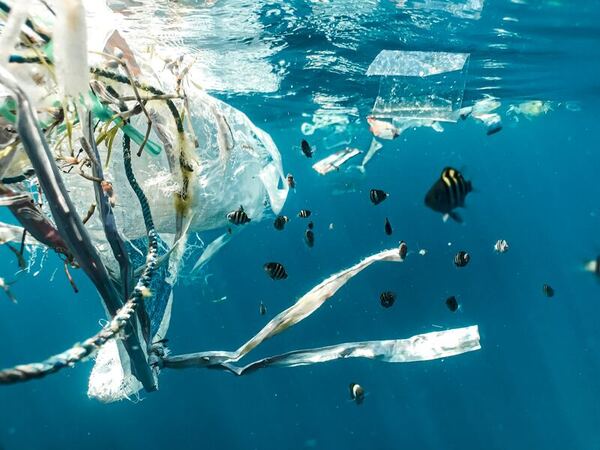
Here recognizing the growing amount of plastic waste in the oceans, the authors sought to develop and test laser imaging for the identification of waste in water. They found that while possible, limitations such as increasing depth and water turbidity result in increasing blurriness in laser images. While their image processing methods were somewhat insufficient they identified recent methods to use deep learning-based techniques as a potential avenue to viability for this method.
Read More...Diamagnetic Solutions Show a Significant Reduction in Flow Rate When Exposed to a Magnetic Field Greater Than or Equal to 0.7 Tesla
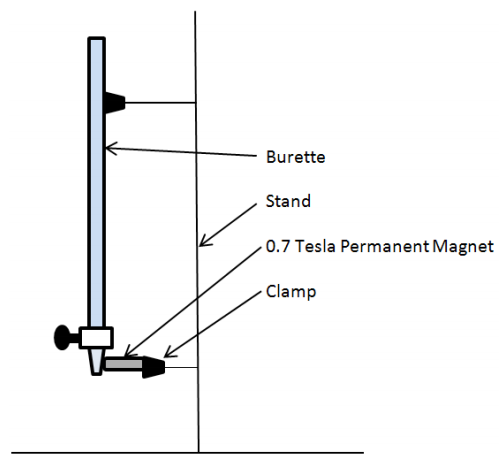
There are complex interactions between water and outside forces such as magnetic fields. This study aims to examine the effects of magnetic forces on the flow rate of water. The alteration of flow rate by magnets could have exciting applications in many fields.
Read More...Investigating the functionality of an Eco-Cooler made of plastic bottles
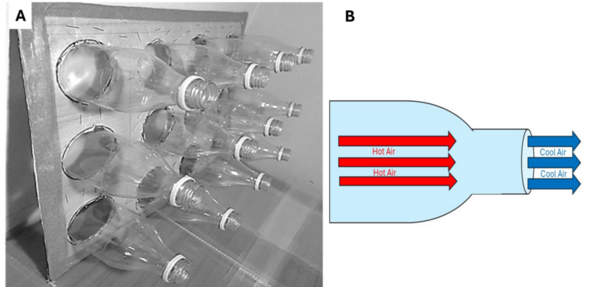
In the study, the authors looked at an environmentally friendly alternative to A/C systems/cooling. They wanted to test the effectiveness of this cooling system called the Eco-Cooler as well as see if they could improve it. They found that the Eco-Cooler had minimal cooling, while their altered Eco-Cooler system had some cooling. This results shows the use of water helps cool the environment a lot more.
Read More...Slowing ice melting from thermal radiation using sustainable, eco-friendly eggshells
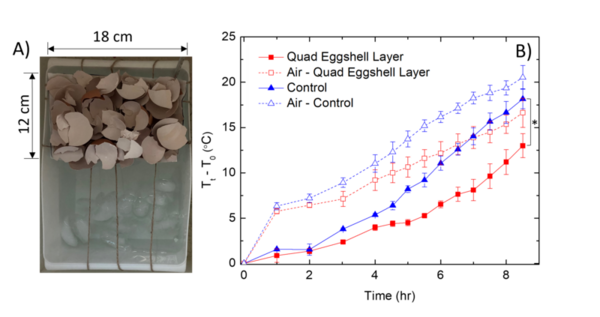
The authors looked at the ability of eggshells to slow ice melting. They found that eggshells were able to increase ice melting time when crushed showing that they were an effective thermal barrier.
Read More...An evaluation of the trends in U.S. maternal deaths based on abortion policies from 2018 to 2021

Here the authors evaluate the relationship between state-level abortion policies and maternal mortality across the United States from 2018 to 2021. Their findings reveal that states with restrictive abortion laws consistently experienced higher maternal mortality ratios than those with protective policies, culminating in a 72% increase in deaths within restrictive states by the end of the study period.
Read More...