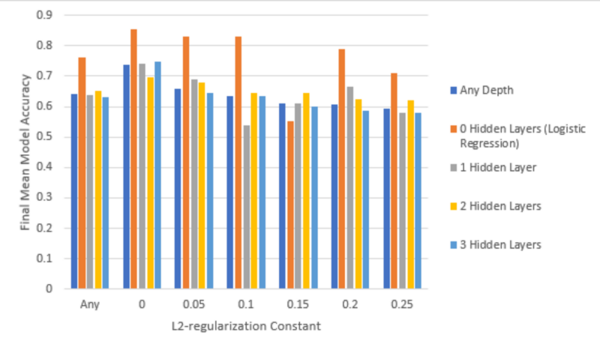
The authors looked at the ability to detect heart disease before the onset of severe clinical symptoms.
Read More...Study of neural network parameters in detecting heart disease
The authors looked at the ability to detect heart disease before the onset of severe clinical symptoms.
Read More...A comparison study in the expansion of human bone marrow mesenchymal stem cells

In this study, the effects of different sources of serum on growing mesenchymal stem cells are compared with the goal of identifying one more suitable for clinical use.
Read More...Quantitative NMR spectroscopy reveals solvent effects in the photochemical degradation of thymoquinone
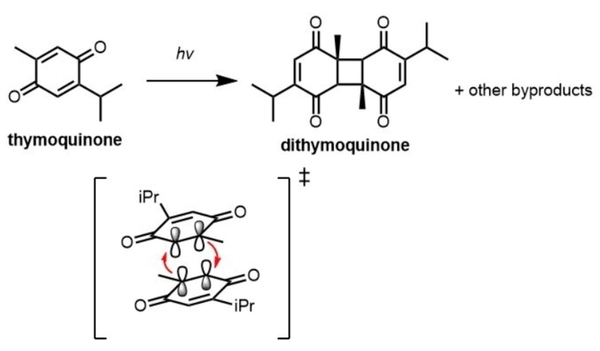
Thymoquinone is a compound of great therapeutic potential and scientific interest. However, its clinical administration and synthetic modifications are greatly limited by its instability in the presence of light. This study employed quantitative 1H nuclear magnetic resonance (NMR) spectroscopy to identify the effect of solvation on the degradation of thymoquinone under ultraviolet light (UV). It found that the rate of degradation is highly solvent dependent occurs maximally in chloroform.
Read More...Effects of vascular normalizing agents on immune marker expression in T cells, dendritic cells, and melanoma cells
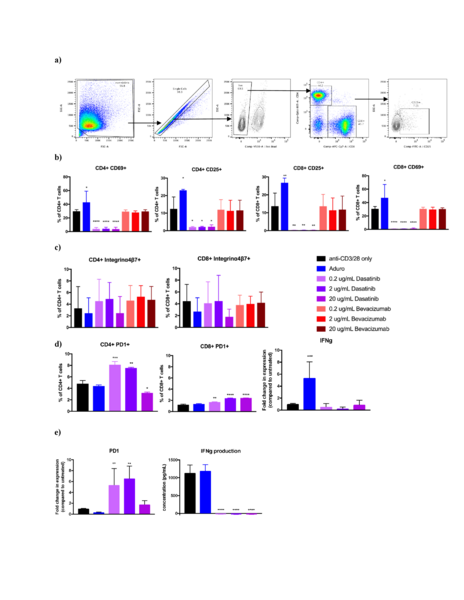
Tertiary lymphoid structures (TLS) are lymph node-like structures that form at sites of inflammation, and their presence in cancer patients is predictive of a better clinical outcome. One significant obstacle to TLS formation is reduced immune cell infiltration into the tumor microenvironment (TME). Recent studies have shown that vasculature normalizing (VN) agents may override this defect to improve tissue perfusion and increased immune cell entry into the TME. However, their effects on immune cell and tumor cell phenotype remain understudied. Here the authors investigate whether treating tumor cells with VN would reduce their immunosuppressive phenotype and promote production of chemokine that recruit immune cells and foster TLS formation.
Read More...Retinal biomarkers for the detection of neurological disease using deep learning
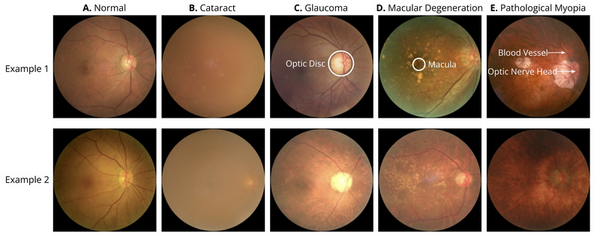
The authors looked at whether retinal features, specifically lens clarity, optic nerve cupping, and hyperreflective foci, can serve as biomarkers for neuro-ophthalmological diseases, which share pathological mechanisms with neurodegeneration and may indicate broader neurological risk. Using multimodal clinical data and machine learning, they investigated the potential of retinal imaging as a complementary diagnostic tool for more accurate and accessible detection of neurological disorders.
Read More...The Role of a Mask - Understanding the Performance of Deep Neural Networks to Detect, Segment, and Extract Cellular Nuclei from Microscopy Images
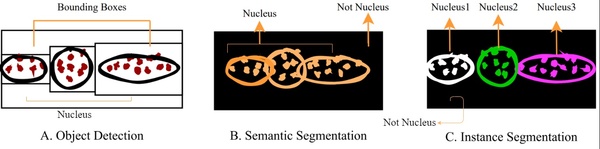
Cell segmentation is the task of identifying cell nuclei instances in fluorescence microscopy images. The goal of this paper is to benchmark the performance of representative deep learning techniques for cell nuclei segmentation using standard datasets and common evaluation criteria. This research establishes an important baseline for cell nuclei segmentation, enabling researchers to continually refine and deploy neural models for real-world clinical applications.
Read More...3D Printed Polymer Scaffolds for Bone Tissue Regeneration
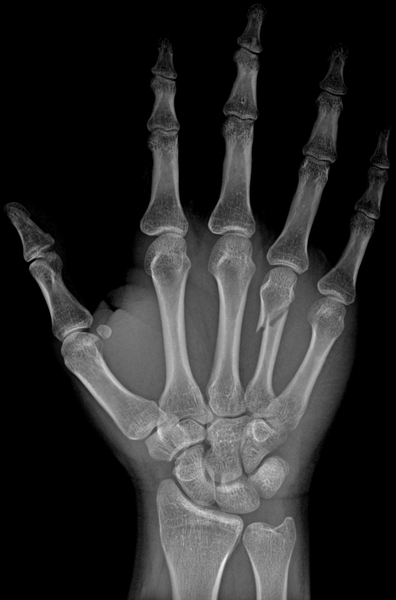
Scientists are always on the quest to improve the body's healing abilities and broken bones are no exception. In this article, the authors investigate properties of 3D-printed biocompatible polymers used to improve bone healing. With such efforts, we can hope to, one day, improve bone scaffolding materials in ways that make the natural healing processes more efficient, reducing the time needed for recovery from bone fractures.
Read More...Stereolithography 3D-printed stents with silica and zirconia nanoparticle reinforcement for intracranial aneurysm treatment
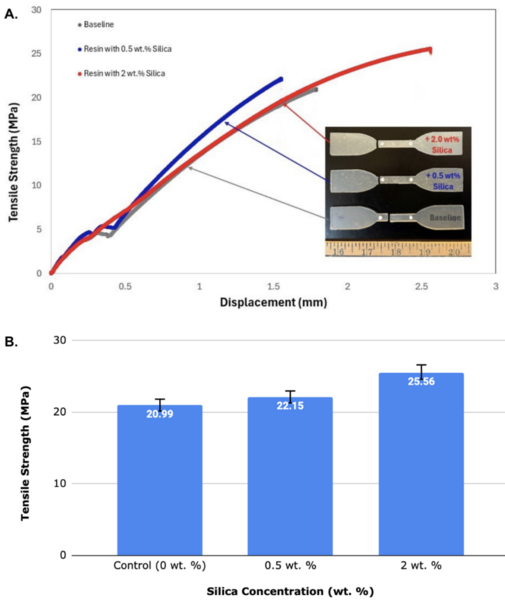
This manuscript focuses on improving the mechanical strength and radiopacity of SLA 3D-printed stent materials by incorporating nanoparticles for their application in flow-diverting stents (FDSs) used to treat aneurysms. The authors used biocompatible, bioresorbable resin formulations with varying concentrations of silica and zirconium to enhance tensile strength and radiopacity, respectively. The authors employed SEM to confirm the incorporation of nanoparticles, and CT imaging was used to assess the effect of zirconium-infused FDSs.
Read More...Towards multimodal longitudinal analysis for predicting cognitive decline

Understanding and predicting cognitive decline in Alzheimer's disease
Read More...Modular mimics of neuroactive alkaloids - design, synthesis, and cholinesterase inhibitory activity of rivastigmine analogs
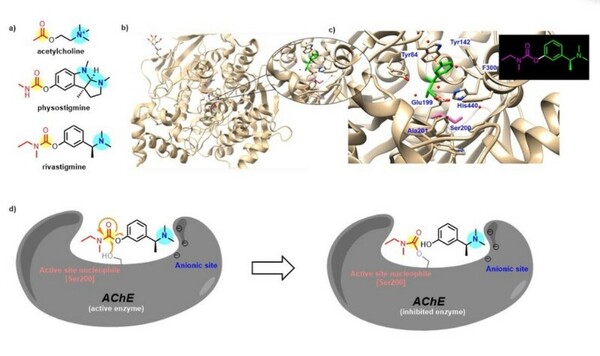
Naturally occurring neuroactive alkaloids are often studied for their potential to treat Neurological diseases. This team of students study Rivastigmine, a potent cholinesterase inhibitor that is a synthetic analog of physostigmine, which comes from the Calabar bean plant Physostigma venenosum. By comparing the effects of optimized synthetic analogs to the naturally occurring alkaloid, they determine the most favorable analog for inhibition of acetylcholinesterase (AChE), the enzyme that breaks down the neurotransmitter acetylcholine (ACh) to terminate neuronal transmission and signaling between synapses.
Read More...