
In this study, the authors send E. coli cultures to space via the Cubes in SpaceTM program to determine if ultraviolet C and ionizing radiation negatively affect bacterial growth.
Read More...The effects of UV-C and ionizing radiation on the functions of Escherichia Coli
In this study, the authors send E. coli cultures to space via the Cubes in SpaceTM program to determine if ultraviolet C and ionizing radiation negatively affect bacterial growth.
Read More...Transcriptional Regulators are Upregulated in the Substantia Nigra of Parkinson’s Disease Patients
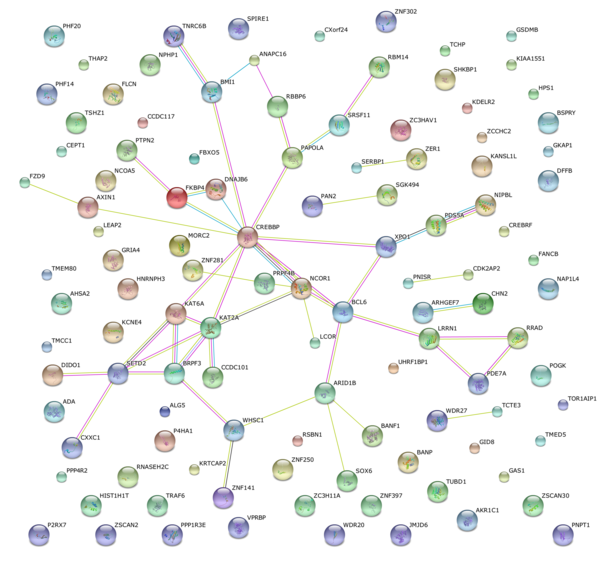
This article investigates differences in gene expression in the brains of patients with and without Parkinson's disease. The authors identify a crucial transcriptional regulator may be a relevant target for future therapeutic treatment for Parkinson's disease.
Read More...Is Cloud Cover One of the Effects of Climate Change?
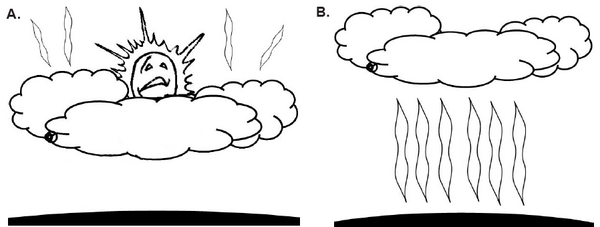
Climate change is one of the most controversial challenges humans face. Here the authors investigate the dual role of clouds - to reflect incoming light away from the Earth and to reflect heat energy back toward the Earth's surface. They find that the amount of incident light energy and surface temperature decreases as the sky becomes cloudier. These results will inform longer-term studies that may compare against the amount of energy clouds reflect back toward the Earth.
Read More...Investigating the functionality of an Eco-Cooler made of plastic bottles
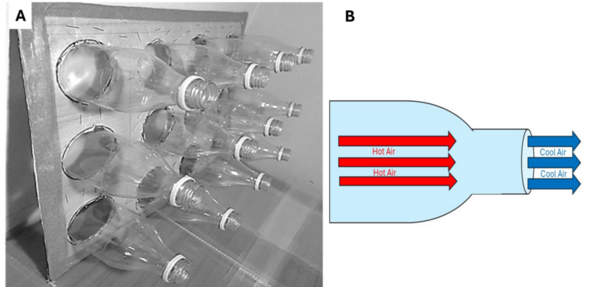
In the study, the authors looked at an environmentally friendly alternative to A/C systems/cooling. They wanted to test the effectiveness of this cooling system called the Eco-Cooler as well as see if they could improve it. They found that the Eco-Cooler had minimal cooling, while their altered Eco-Cooler system had some cooling. This results shows the use of water helps cool the environment a lot more.
Read More...Predictions of neural control deficits in elders with subjective memory complaints and Alzheimer’s disease
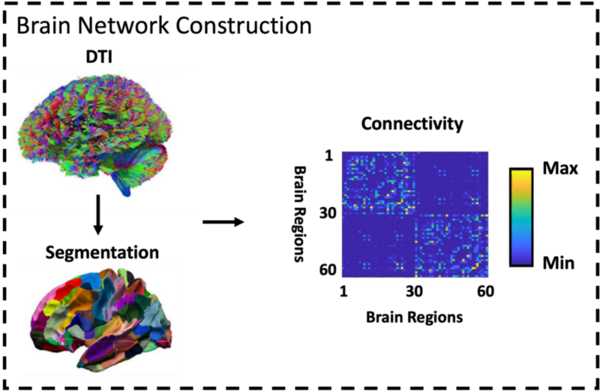
The authors compare neuroimaging datasets to identify potential new biomarkers for earlier detection of Alzheimer's disease.
Read More...High school students’ attitudes towards diverse cultures and ethnicities
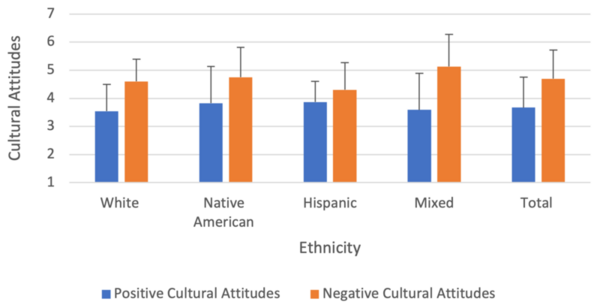
The authors looked at how a student's own background influence their attitude towards integration of diverse cultures and ethnicities. While overall students viewed other groups positively, the authors found that groups still indicated they felt judged by their peers.
Read More...A novel filtration model for microplastics using natural oils and its application to the environment
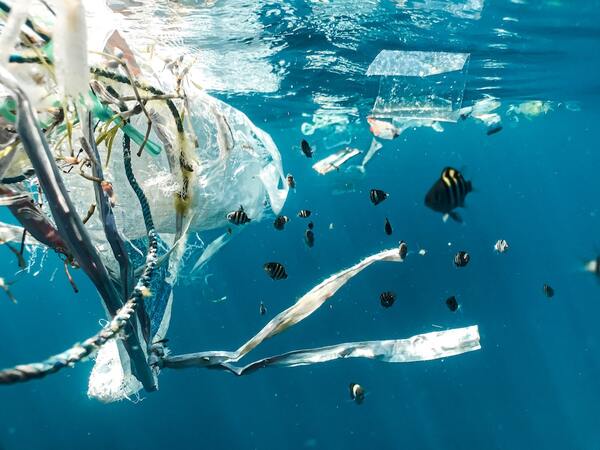
Recognizing the need for a method to filter microplastics from polluted water the authors sought to use nonpolar solvents, palm oil and palm kernel oil, to filter microplastics out of model seawater. By relying on the separation of polar and nonpolar solvents followed by freezing the nonpolar solvent, they reported that microplastics could be extracted with percentages ranging from 96.2% to 94.2%. They also provided an estimation to use this method as part of container ships to clean the Pacific Ocean of microplastics.
Read More...A Cloud-Enabled Communication Strategy for Wildfire Alerts
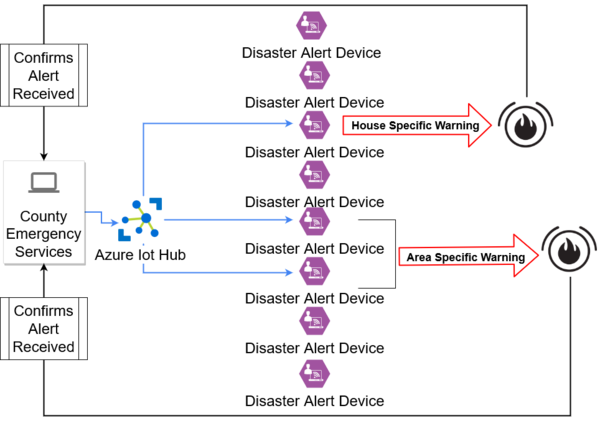
The traditional alert system in California consists of Wireless Emergency Alerts (WEAs), which lack location specificity, and sign-up-based technology which is limited by the number of sign ups. Those who do not have phones or have a silence option on their devices are most at risk from the current alert system. Here the authors developed cloud-enabled crisis connection for disaster alerts (CRISIS-CONNECT) to mitigate problems associated with the current alert system.
Read More...Temperatures of 20°C Produce Increased Net Primary Production in Chlorella sp.
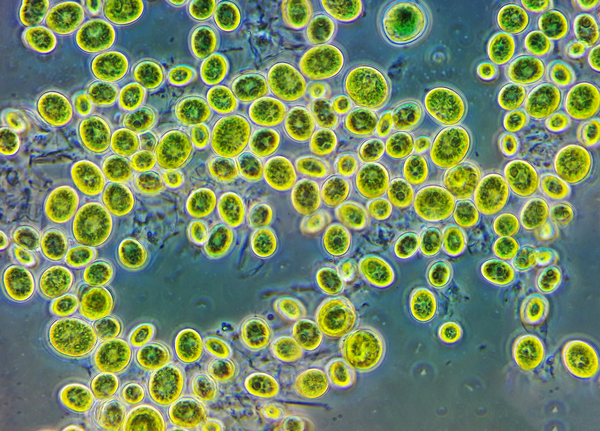
Chlorella sp. are unicellular green algae that use photosynthesis to reduce carbon dioxide into glucose. In this study, authors sought to determine the temperature that Chlorella sp. is maximally efficient at photosynthesis, and therefore removing the most carbon dioxide from the system. This activity could be harnessed to naturally remove carbon dioxide from the environment, fighting the effects of climate change.
Read More...The Effects of Post-Consumer Waste Polystyrene on the Rate of Mealworm Consumption
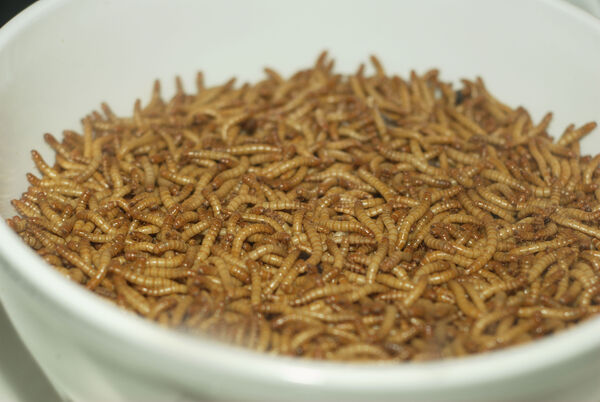
In a world where plastic waste accumulation is threatening both land and sea life, Green et al. investigate the ability of mealworms to breakdown polystyrene, a non-recyclable form of petrochemical-based polymer we use in our daily lives. They confirm that these organisms, can degrade various forms of polystyrene, even after it has been put to use in our daily lives. Although the efficiency of the degradation process still requires improvement, the good news is, the worms are tiny and themselves are biodegradable, so we can use plenty of them without worrying about space and how to get rid of them. This is very promising and certainly good news for the planet.
Read More...