India’s Digital Public Infrastructure (DPI)—including the Unified Payments Interface (UPI) and Aadhaar—has been globally recognized for advancing financial inclusion and efficient governance. This study analyzes data from 2016–17 to 2023–24 the impact of these services on India's GDP.
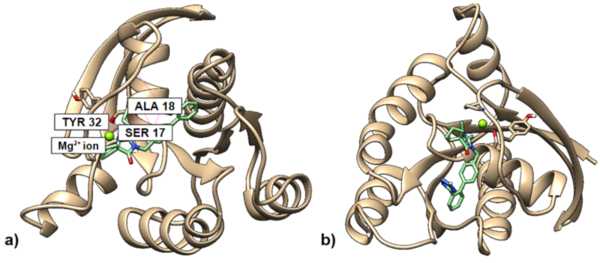
In this study, the authors looked at a proto-oncogene, KRAS, and searched for molecules that are predicted to be able to bind to the inactive form of KRAS. They found that a modified version of Irbesartan, a derivative of benzimidazole, showed the best binding to inactive KRAS.
Breast cancer is the most common cancer in women, with approximately 300,000 diagnosed with breast cancer in 2023. It ranks second in cancer-related deaths for women, after lung cancer with nearly 50,000 deaths. Scientists have identified important genetic mutations in genes like BRCA1 and BRCA2 that lead to the development of breast cancer, but previous studies were limited as they focused on specific populations. To overcome limitations, diverse populations and powerful statistical methods like genome-wide association studies and whole-genome sequencing are needed. Explainable artificial intelligence (XAI) can be used in oncology and breast cancer research to overcome these limitations of specificity as it can analyze datasets of diagnosed patients by providing interpretable explanations for identified patterns and predictions. This project aims to achieve technological and medicinal goals by using advanced algorithms to identify breast cancer subtypes for faster diagnoses. Multiple methods were utilized to develop an efficient algorithm. We hypothesized that an XAI approach would be best as it can assign scores to genes, specifically with a 90% success rate. To test that, we ran multiple trials utilizing XAI methods through the identification of class-specific and patient-specific key genes. We found that the study demonstrated a pipeline that combines multiple XAI techniques to identify potential biomarker genes for breast cancer with a 95% success rate.
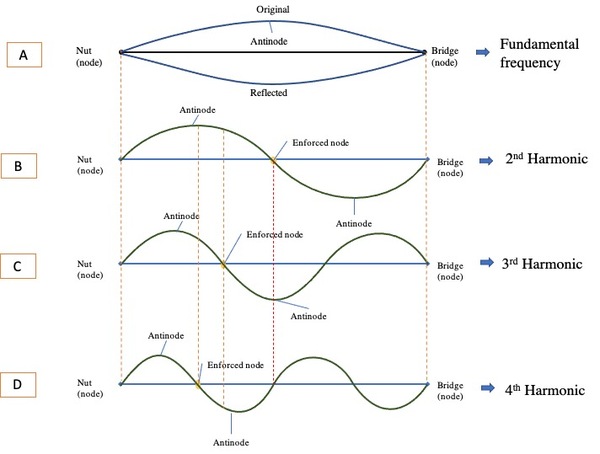
This study examines the higher harmonics in an oscillating string by analyzing the sound produced by a guitar with a spectrum analyzer. The authors mathematically hypothesized that the higher harmonics in the series of the directly excited 2nd harmonic contain the alternate frequencies of the fundamental series, the higher harmonics of the directly excited 3rd harmonic series contain every third frequency of fundamental series, and so on. To test the hypotheses, they enforced artificial nodes to excite the 2nd, 3rd, and 4th harmonics directly, and analyzed the resulting spectrum to verify the mathematical hypothesis. The data analysis corroborates both hypotheses.
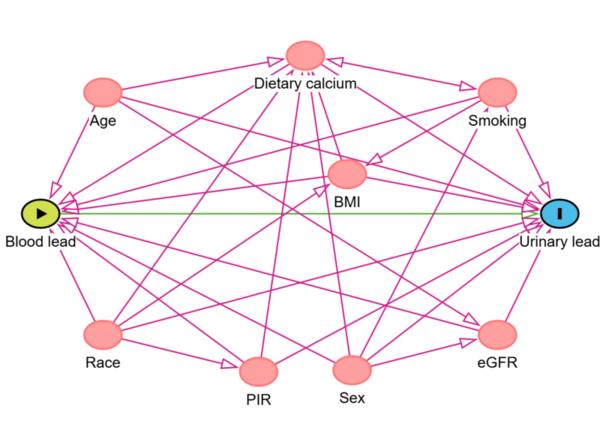
We investigated whether dietary calcium intake affects how adolescents handle lead internally. Using paired blood and urinary lead data, we assessed whether calcium status is associated with differences in lead clearance. The results point to subgroups of adolescents—particularly those with lower calcium intake—who may carry a higher internal lead burden than their blood levels alone would suggest.
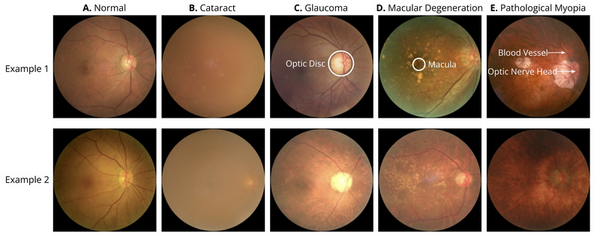
The authors looked at whether retinal features, specifically lens clarity, optic nerve cupping, and hyperreflective foci, can serve as biomarkers for neuro-ophthalmological diseases, which share pathological mechanisms with neurodegeneration and may indicate broader neurological risk. Using multimodal clinical data and machine learning, they investigated the potential of retinal imaging as a complementary diagnostic tool for more accurate and accessible detection of neurological disorders.
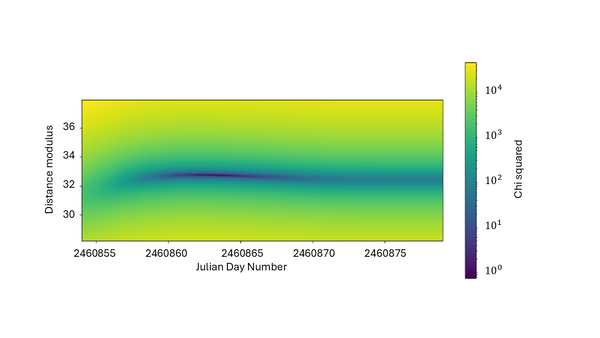
We observed supernova 2025ngs and created its light curve through aperture photometry. We were then able to determine that 2025ngs was a Type II-P supernova.
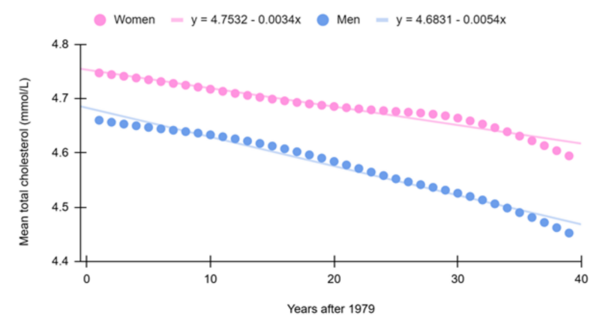
This study explores global trends in average total cholesterol levels among adults from 1980 to 2018, finding a significant decline in both men and women, with a sharper decrease among men. While these improvements likely reflect advances in public health and medical treatment, the persistent gender gap highlights the need for more targeted approaches to cardiovascular disease prevention.
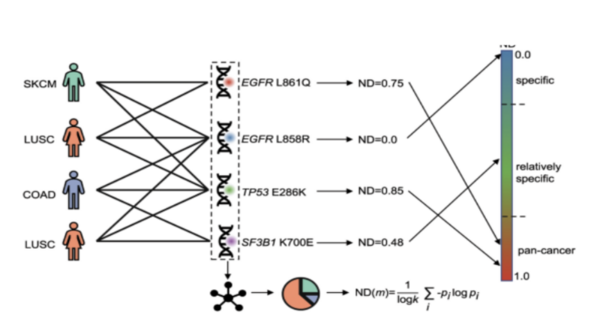
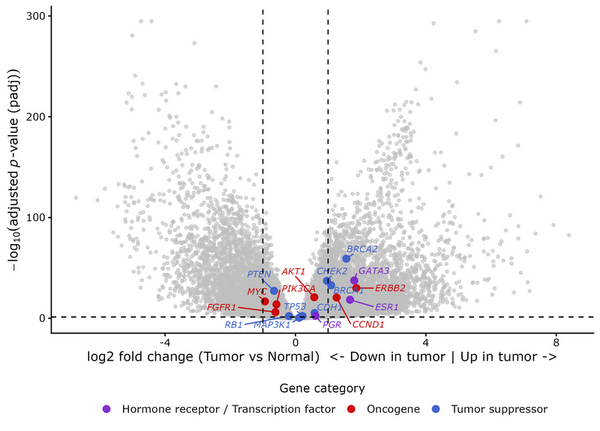
This study combines gene expression, mutation profiling, and survival analysis of 17 clinically important genes in breast cancer, utilizing the TCGA-BRCA dataset. Our results show that there are different patterns of oncogene upregulation, different levels of tumor suppressor activity, and complicated survival associations. TP53 was the most frequently mutated gene in this cohort. The results underscore the significance of multidimensional genomic analyses for a comprehensive understanding of breast cancer biology and its therapeutic ramifications.